
23 Oct 2026
APAC People Moves: The Week to 23 October 2026
18 senior appointments across Asia-Pacific private banking, asset management and institutional capital this week, compiled from the InvestIQ Asia People Moves wire.
EditorialRead
Archive
Browse the Private Wealth Management archive on InvestIQ Asia. Subscribe below to get the latest stories by email.
Register for the daily newsletter23 Oct 2026
18 senior appointments across Asia-Pacific private banking, asset management and institutional capital this week, compiled from the InvestIQ Asia People Moves wire.

22 Oct 2026
Investors with UBS discretionary mandates booked in Singapore and Hong Kong are putting US equity concentration on the 2027 fee ticket. No single-name ceiling is available outside the client agreement.

21 Oct 2026
Taiwan’s Financial Supervisory Commission has published a 30-day consultation on security governance, risk classification and controls for agentic artificial intelligence. The framework treats each application scenario as the unit of management and classifies risk on three axes before any system can move money or client data.

21 Oct 2026
Investment committees booking wealth in Singapore and Hong Kong are settling 2027 discretionary equity country weights. A published house view is not the account, and most houses do not disclose the mix at all.

20 Oct 2026
As Asia-Pacific private banks and family offices set 2027 mandates, the choice that governs investor outcomes is the reference currency and the hedge policy beside it. Pictet's published beliefs treat that currency as a significant influence on allocation and construction, not as a starting line in a published sequence. No 2027 Asia-Pacific model weight should be inferred.

19 Oct 2026
Malaysia and Taiwan have widened formal family-office pathways, Korean platforms are either scaling or deliberately gating capacity, and Hong Kong family offices have launched a vehicle aimed at residency-scheme capital. Read with commentary on Singapore and China, the week's record is about operating standards as well as asset growth.

16 Oct 2026
Securities Commission Malaysia has disclosed that the Single Family Office Incentive Scheme now holds RM20.8 billion (US$5.09 billion) in indicative assets under management. Budget 2027 simultaneously introduces measures to enable a multi-family office model alongside the existing single-family framework, expanding the jurisdiction’s capacity to intermediate regional UHNW capital.

15 Oct 2026
Samsung Securities’ family-office platform has scaled to 200 families and ₩55 trillion in client assets. The composition of that book (exit owners now three times the level of three years earlier) signals a structural shift in Korean UHNW liquidity that private banks and managers must price into product and capacity planning.

15 Oct 2026
Hana Securities has formally designated its first ten ultra-high-net-worth families for a closed family-office service. The deliberate capacity constraint and the inclusion of succession strategy as a core deliverable indicate a shift from open product platforms toward gated, multi-disciplinary advisory models in the Korean market.

15 Oct 2026
Taiwan’s Financial Supervisory Commission has converted the Kaohsiung family-office pilot into a permanent nationwide regime. Eleven banks that have completed at least one year of pilot operation may now apply to expand. The decision removes a geographic constraint and clarifies the regulatory pathway for high-asset advisory capacity across the island.

14 Oct 2026
Five Hong Kong family offices have jointly launched Inspira, a closed-end US$100 million fund focused on private credit and stable-income projects. The vehicle targets affluent families considering residency under the Capital Investment Entrant Scheme.

13 Oct 2026
EAMs now manage a measurable share of wealth in Singapore and Hong Kong, yet the majority of firms remain below the US$1 billion threshold while platform infrastructure continues to expand.

13 Oct 2026
Cathay United Bank’s Singapore branch has appointed Barings Singapore as investment strategy provider to support its discretionary portfolio management offering. Barings managed US$502 billion globally as of 30 June 2026.

12 Oct 2026
Senior investment leadership appointments at HSBC, Amundi, Indosuez and UBS are concentrating multi-asset and discretionary decision-making capacity in the Singapore–Hong Kong corridor, reshaping how private banks structure investment oversight for UHNW and institutional clients.

9 Oct 2026
Asian family offices are accelerating a structural transition away from informal deal-making toward formalized investment committees and rigorous operational governance.

8 Oct 2026
Across September 2026, Asia’s largest pensions and sovereign investors continued to expand private-market exposure, while many family offices remained active but increasingly discriminating about new fund commitments. The month crystallised a clear allocation split that has been building all year.

8 Oct 2026
Standard Chartered has launched its tenth sub-fund under the Variable Capital Company platform, an enhanced cash management strategy managed by Insight Investment within BNY Investments. The platform has accumulated $2.6 billion in assets under management since its 2024 inception and now forms a core delivery channel for differentiated solutions to the bank’s affluent and high-net-worth clients across Asia and selected international markets.

7 Oct 2026
A series of senior hires, including the latest addition of former UBS banker Anirudh Singh, forms part of a broader effort to capture non-resident Indian and South Asian wealth flows while strengthening the bank’s ultra-high-net-worth and family-office offering.

2 Oct 2026
Lombard Odier’s regional work with more than 390 high-net-worth individuals across eight Asia-Pacific markets finds only about one in five guided by a comprehensive asset allocation strategy, even as more than half express deep concern about market conditions. Confidence in portfolio fitness remains high. Structure is the gap.

2 Oct 2026
HSBC Private Bank’s Global Entrepreneurial Wealth Report 2026 finds about seven in ten Hong Kong entrepreneurs plan to invest 11 to 30 per cent of annual turnover in artificial intelligence over the next twelve months, above the global share. Most have already adjusted operations for AI. The private-bank question is how that corporate spend sits next to personal portfolio construction.

30 Sep 2026
HSBC India chief executive Hitendra Dave has set a public ambition for the bank to rank among India’s top four or five private banks in wealth management by 2030. The plan rests on wealth, transaction banking and cross-border “globality,” with branch expansion into smaller cities where affluent pools are growing.

29 Sep 2026
Citi Wealth’s 2026 Global Family Office Report finds Asia-Pacific family offices reporting the highest portfolio outperformance globally, with 26 per cent above 15 per cent year to date. The same cohort shows the most ambitious return targets and the strongest focus on artificial intelligence for new direct investment. Direct-investing participation in APAC is the highest of any region in the survey.

25 Sep 2026
A Bloomberg Intelligence survey of 100 senior private bankers in Hong Kong and Singapore finds more respondents expecting double-digit annual net new money growth over the next five years than in the prior survey. Mainland diversification demand and emerging wealth from Southeast Asia and the Middle East are the named drivers. Regulatory noise from the mainland is widely expected to have only a mild effect on flows.

23 Sep 2026
Marco Pagliara, head of emerging markets at Deutsche Bank Private Bank, said this week that Hong Kong has been the best-performing region in that franchise in 2026, with visible activity in high-end real estate that often carries a Chinese client link. South-east Asia is running close behind. The investment question is where UHNW liquidity and leverage are being put to work.
18 Sep 2026
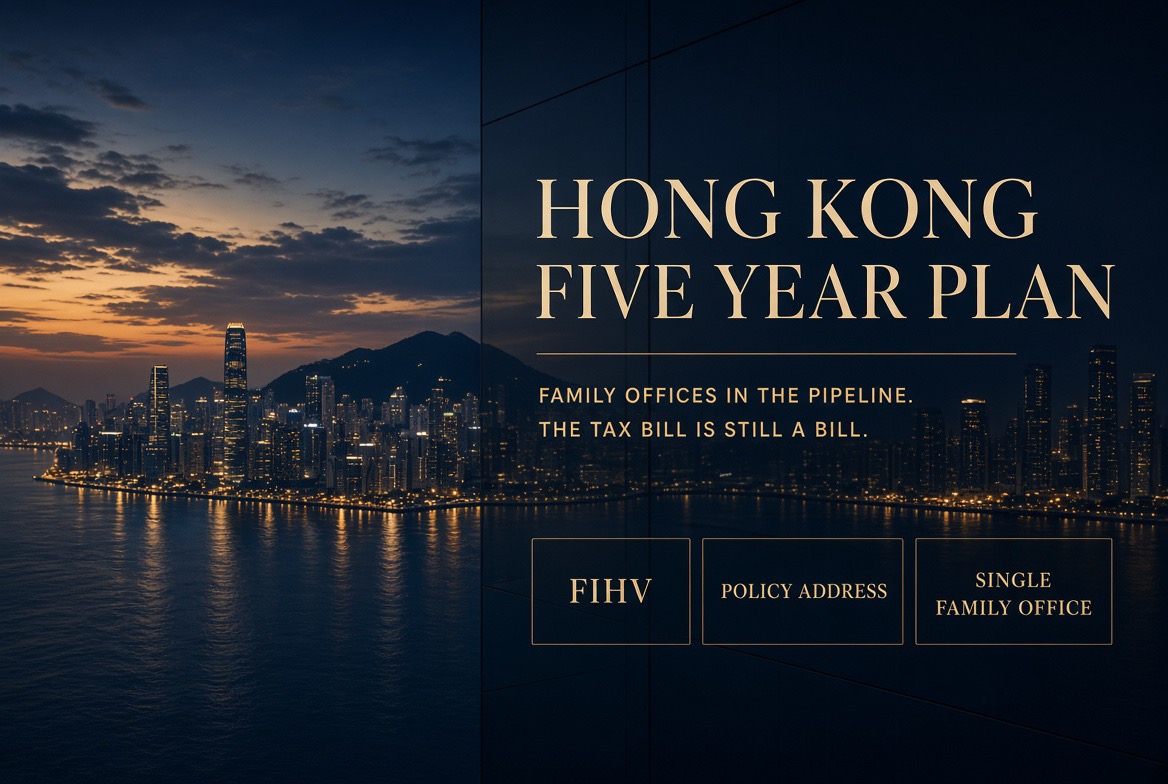
The 16 September Policy Address and first 2026–2030 plan put family offices, sovereigns and tax optimisation in the official pipeline. The bill that would loosen FIHV remains before LegCo. Singapore’s SFO class exemption is already live.
17 Sep 2026
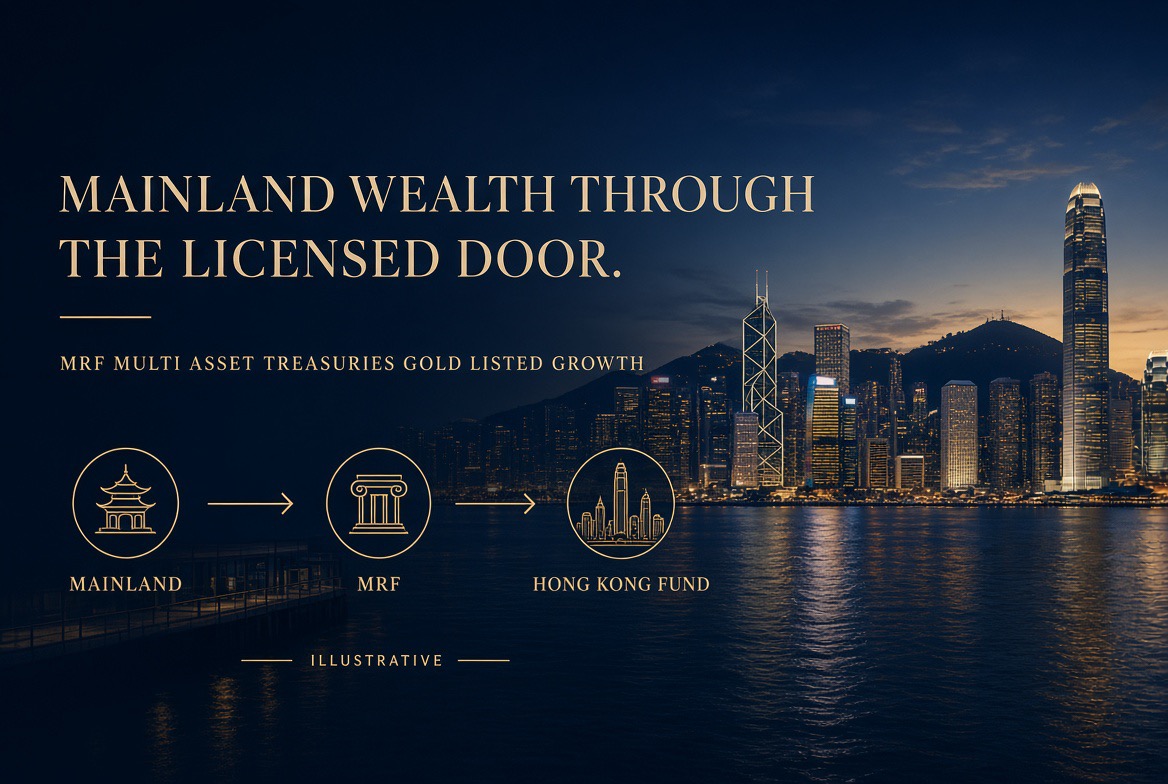
Pictet’s Hong Kong-domiciled Strategic Income Fund has grown to $5.1 billion from $1.6 billion at the start of 2026. About 60 per cent of that book arrived from mainland China through the Mutual Recognition of Funds channel. The investment mix in the August note included US Treasuries, gold, and listed US technology.

16 Sep 2026
Discretionary books in the region are being rebuilt around a reduction in US equity weight. Lombard Odier’s published 2026 Asia DPM stance overweight emerging-market equities, underweight US equities, holds fixed income neutral with an EM-bond tilt, uses convertibles for optionality and treats gold as a core holding. Digital assets are excluded.

15 Sep 2026
Competition for Pan-Asian private-wealth assets is shifting from booking centre to a narrower test: whether an onshore bond can be pledged for liquidity inside the home market. Singapore has the region’s deepest published collateral stack. That is not the same thing as a live, multi-bank SGX repo network.

14 Sep 2026
An industry-wide liquidity rebalancing across leading domestic industrial hubs introduces specialized corporate duration parameters. Homegrown gatekeepers are weaponising high-grade infrastructure equity tranches to insulate core cash reserves.

11 Sep 2026
An industry-wide equity rebalancing across dominant regional banking networks introduces specialized local factor strategies. Homegrown wealth intermediaries are weaponising targeted dividend-growth modules to anchor high-net-worth capital books.

10 Sep 2026
An industry-wide restructuring across premier wealth platforms introduces a direct deal-sourcing blueprint. Top-tier private wealth managers are aggregating capital to execute institutional-scale private placements.

9 Sep 2026
An industry-wide pricing re-engineering across global private banking shelves highlights an aggressive shift in client retention strategy. Tier-one platforms are weaponising flat-fee return hurdles to block boutique family office attrition.

7 Sep 2026
The private banking giant deploys an integrated cross-border credit infrastructure to accelerate client liquidity access. Wealth intermediaries are leveraging dynamic portfolio collateralisation to block External Asset Manager attrition.

4 Sep 2026
The wealth management group's deep integration into modernized cross-border tracking infrastructure establishes an operational barrier. Key intermediaries are leveraging unified look-through systems to anchor client books.

3 Sep 2026
The central bank's aggressive push to regulate single-currency digital assets introduces severe compliance parameters. Key intermediaries must adjust their custody models to defend client books against structural wind-down mandates.
2 Sep 2026
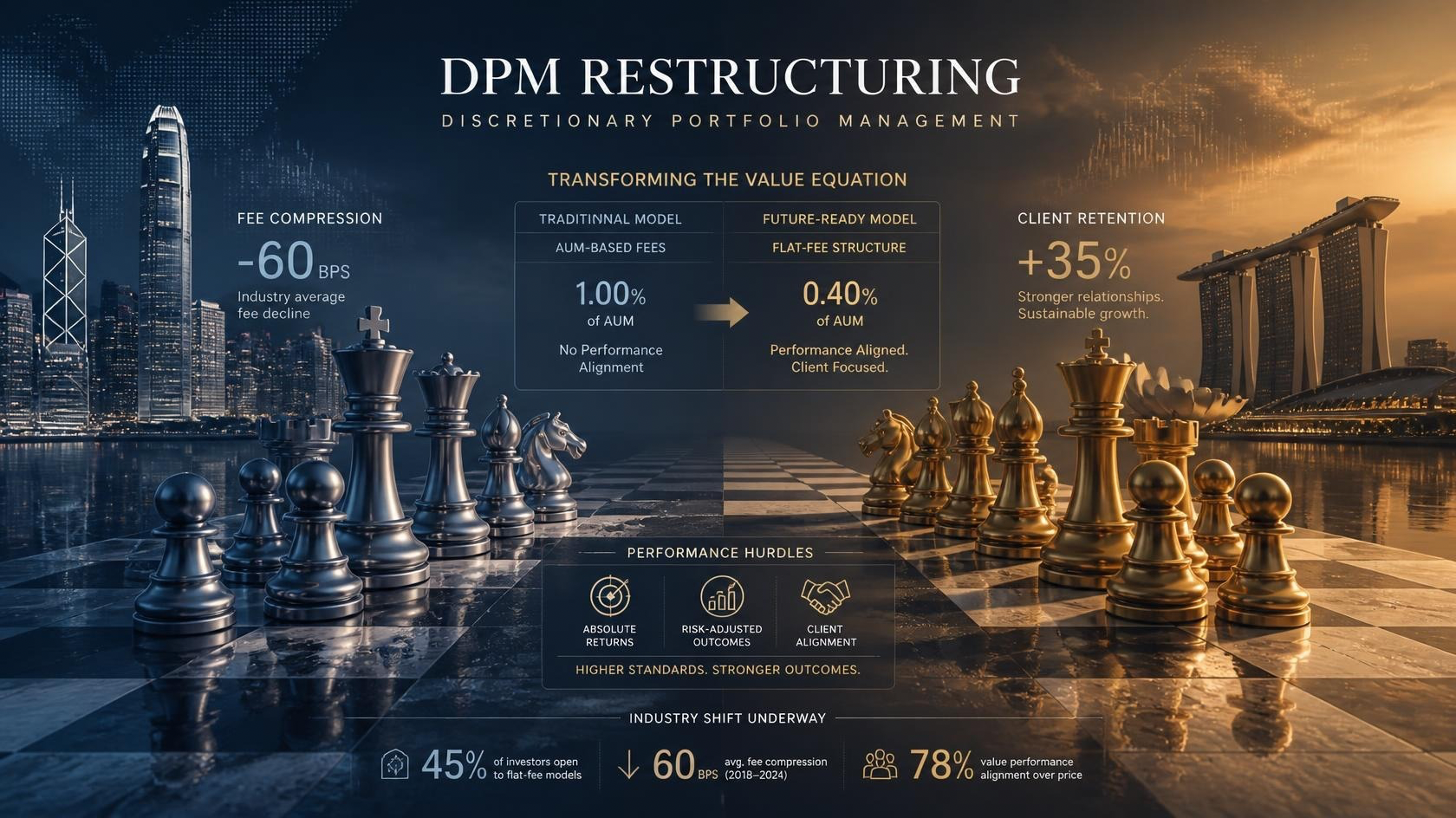
The competitive battle for Greater China client registries is driving an intense shift in private banking fee models. By moving away from legacy asset-based pricing to deploy flat-fee performance hurdles, relationship desks are fighting boutique attrition.

1 Sep 2026
The leading multi-family office's creation of a central Chief Investment Officer seat signals a major strategic pivot. Elite wealth hubs are aggressively consolidating cross-border management trees to shield portfolios from regional allocation volatility.

31 Aug 2026
The historic reliance on complex corporate structural opacity is hitting a wall of total transparency. Global asset managers who continue to treat administrative barriers as active risk shields are mispricing the systemic downside of modern compliance enforcement.

28 Aug 2026
As ultra-high-net-worth individual client demands shift toward complex, multi-tiered succession planning, J.P. Morgan Private Bank solidifies its regional distribution network with a major senior advisory onboarding in Hong Kong.

27 Aug 2026
As major European and Swiss private banking institutions enforce increasingly bureaucratic client-onboarding processes, independent multi-family offices in Singapore deploy creative payout structures to strip away top-tier relationship managers.

26 Aug 2026
By appointing veteran private banker Isaac Choi to lead its North Asia client coverage from Singapore, Deutsche Bank accelerates its regional ultra-high-net-worth market penetration.
25 Aug 2026
By appointing Ankit Swaika to anchor global South Asia ultra-high-net-worth individual coverage, Bank of Singapore accelerates its leadership talent onboarding alongside unprecedented cross-border commercial hub expansions.

25 Aug 2026
Following the senior onboarding of a legacy Greater China coverage desk under Market Group Head Hu Hong, Standard Chartered Private Bank restructures its offshore advisory frameworks to intercept accelerating family office capital migrations.

24 Aug 2026
Overcoming a historical self-directed trading bias across the Singapore and Hong Kong wealth axis, UBS Global Wealth Management capitalises on generational diversification demands via its customisable architecture.
21 Aug 2026
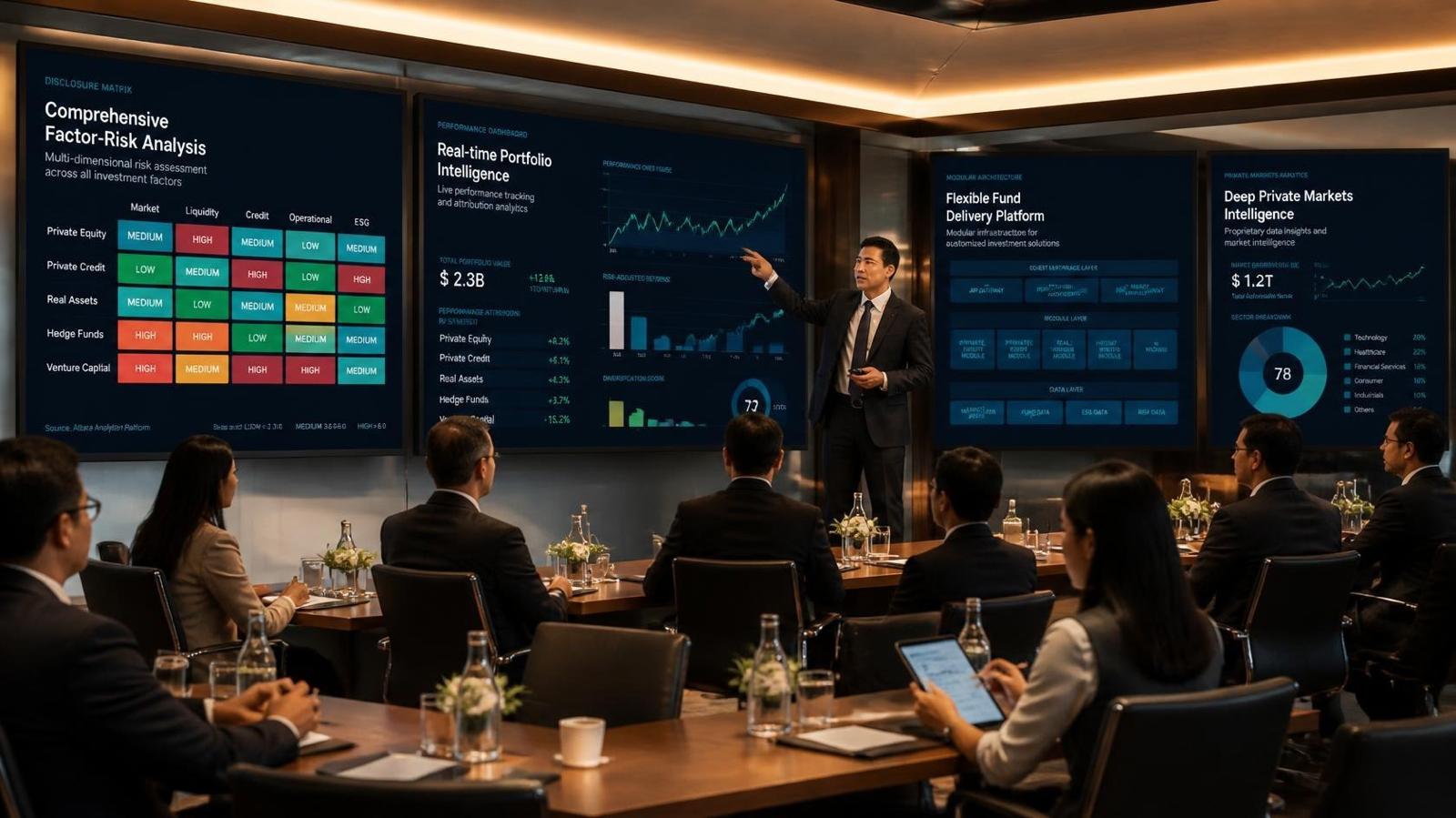
The asset management titan has unveiled a specialized infrastructure track to distribute private market alternatives. The platform explicitly targets rising multi-family office capital routing across regional hubs.

20 Aug 2026
Elite multi-family offices are completely bypassing traditional private bank syndicates to establish internal direct-lending channels. The strategic rotation provides ultra-high-net-worth investors with exclusive senior secured debt access.
19 Aug 2026
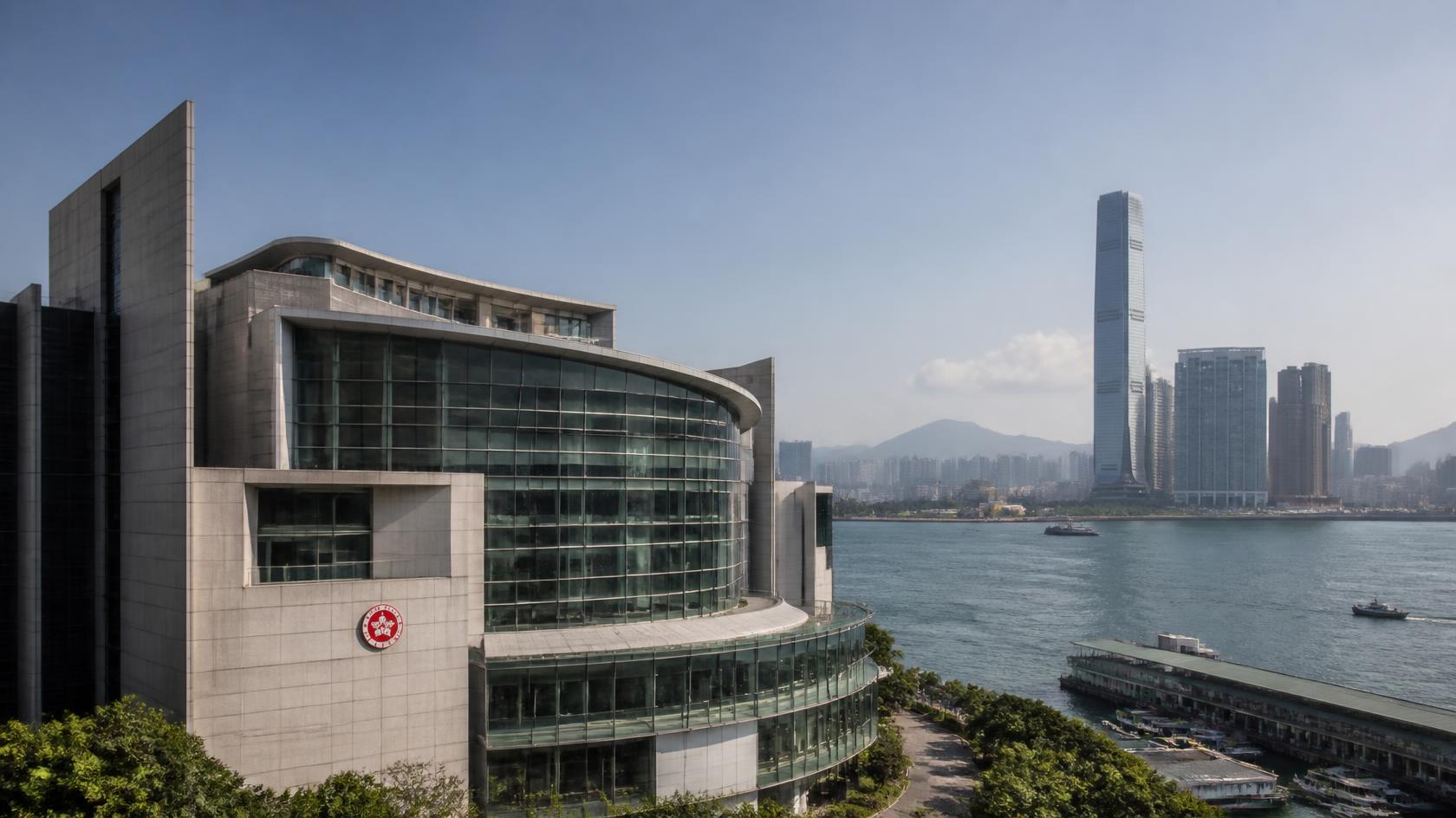
A sweeping legislative tax exemption bill submitted to local lawmakers has set off an intensive restructuring wave among regional wealth managers and single-family offices. The updated regulatory framework slashes historical qualifying barriers, allowing private bank-backed external asset managers to capture immediate carried interest tax windfalls.

18 Aug 2026
Agile multi-family offices and private land banking syndicates are aggressively deploying opportunistic cash reserves to acquire prime, distressed urban real estate parcels across the primary Asia-Pacific wealth corridors.

17 Aug 2026
The Monetary Authority of Singapore has finalized its revised regulatory architecture for single-family offices operating within the jurisdiction. The structural shift introduces a streamlined class exemption framework alongside aggressively tightened source-of-wealth compliance reporting matrices.

14 Aug 2026
The private banking giant has registered an extraordinary surge in family office capital inflows following the rollout of bespoke private market portfolios.

13 Aug 2026
The wealth management division has registered a dramatic surge in structured product volumes after executing comprehensive digital infrastructure upgrades.

12 Aug 2026
The Singaporean private banking giant has secured exclusive early access to a highly specialized global healthcare strategy to satisfy affluent client demands for liquid alternatives.

11 Aug 2026
Singapore’s central bank is accelerating regulatory approval mechanics for complex fund structures to democratise liquid alternative distribution across regional wealth networks.

10 Aug 2026
Private wealth managers systematically lower interest rate duration risk and overweight localised technology bottlenecks and resilient high-yield credit.

7 Aug 2026
Following recent global technology liquidations, Hang Seng Bank’s private banking division is urging wealth clients to move past hardware speculation and prioritize cash-flow visibility, structural income, and selective cyclical exposures across Asia.

6 Aug 2026
Targeting institutional-grade real-world asset tokenization, Nomura’s digital asset arm has backed ZIGChain to construct a specialized onchain financial infrastructure for alternative investments.

6 Aug 2026
In a strategic move to institutionalize its technology-driven wealth ecosystem, DBS Group has appointed seasoned industry veteran Jonathan Larsen to its board of directors.

5 Aug 2026
A major regulatory disclosure by the dairy giant reveals how large-cap Chinese enterprises are bypassing standard deposits to capture yields up to 2.55% via sophisticated fixed-income wealth management wrappers.

5 Aug 2026
Allianz Global Investors expands its regional footprint through a landmark acquisition and strategic distribution partnership with UOB Group, creating a premier investment platform across South-East Asia.

4 Aug 2026
The transition from an abundant global savings 'glut' to greater capital scarcity is reshaping benchmark yields, forcing asset owners and private wealth investors to execute a structurally balanced, technology-centric playbook.

3 Aug 2026
As structural shifts and macroeconomic volatility reshape global booking hubs, UBS Group AG’s second-quarter 2026 financial results reveal an aggressive capital consolidation play. By pairing robust asset accumulation with an accelerated wind-down of legacy infrastructure, the unified franchise is translating institutional scale into an unassailable defensive moat for international wealth.

31 Jul 2026
Global macro fragmentation, persistent inflation shocks, and rapid intelligence disruption are testing the resilience of Asian wealth; strategic frameworks shift capital toward hard-asset insulation corridors across regional banking hubs.

30 Jul 2026
As macroeconomic volatility forces a permanent resetting of historical return targets, a primary wealth index from DBS Hong Kong reveals affluent investors are expanding portfolio diversity to an average of 4.5 asset types while leveraging artificial intelligence tools for zero-latency product research.

29 Jul 2026
With the regional high-net-worth individual population expanding by 4.8%, top-tier wealth platforms aggressively dismantle legacy geographic silos to capture unprecedented wealth concentration

29 Jul 2026
The 160-year-old insurer is consolidating its Bermuda, Hong Kong, Singapore and Dubai high-net-worth operations into a single intake, underwriting and servicing architecture - betting that cross-border families will reward a single point of coordination over fragmented product distribution.

29 Jul 2026
As cross-border capital clusters tightly inside tier-1 institution booking registries, the second-quarter financial disclosures from UBS Group AG demonstrate a resilient underlying growth strategy backed by severe operational cost-cutting across legacy systems.

28 Jul 2026
As creative disruption fractures legacy software channels, a definitive 2026 mid-year strategy update from BNP Paribas Wealth Management outlines why elite investors must abandon broad-market indexing to shield capital from localized tech drawdowns.

28 Jul 2026
To counter compressed advisory margins across continental Europe, the independent global asset manager overhauls its regional partnership frameworks, scaling specialized multi-asset distribution nets outside saturated financial hubs.

27 Jul 2026
Faced with compressed public equity margins and highly volatile bond indices, the Swiss private banking giant overhauls its institutional placement architecture across Hong Kong and Singapore.

24 Jul 2026
Active Variable Capital Company registrations in Singapore expanded 18.4% YoY to hit 1,142 structures, driven by institutional fund managers seeking unified corporate wrappers to optimize capital flexibility.

24 Jul 2026
The tracking index reveals a 22.6% YoY surge in approved family office hub inflows, supported by ongoing legislative updates to profit tax exemptions that are strengthening Hong Kong's role as a primary cross-border wealth destination.

23 Jul 2026
To capture a dominant share of unprecedented wealth concentration across the Greater Bay Area, the American wealth giant integrates its Hong Kong and Singapore offshore hubs under a single advisory operating loop.

21 Jul 2026
As institutional wealth surveys confirm a massive 24% year-on-year surge in regional private banking assets, Tier-1 wealth managers overhaul their cross-border delivery templates to capture accelerating onshore and offshore inflows.

19 Jul 2026
Chief investment heads from KKR, J.P. Morgan Asset Management, and BlackRock abandon legacy equity playbooks, urging institutional investors to prioritize downside insulation, AI-driven tech expansion, and gold as a hedge against sovereign debt risk.

19 Jul 2026
Ultra-high-net-worth investors pivot away from traditional western jurisdictions, formalizing cross-border wealth transitions inside Singapore and Hong Kong as regional asset allocation hits an institutional inflection point.

16 Jul 2026
The clearing giant capitalizes on rising cross-border corporate demand, scaling its institutional software capabilities to intermediate complex capital corridors linking onshore wealth with global secondary markets.

15 Jul 2026
As early-year expectations of synchronized global rate cuts are completely upended, the British wealth manager instructs regional investors to maximize curve positioning and lock in high-income alternative credit lines across APAC.

15 Jul 2026
The British banking giant accelerates its high-net-worth market offensive across South Asia, overhauling its estate planning frameworks to absorb massive generational wealth migration flows.

15 Jul 2026
The American wealth titan unveils its H2 2026 strategic playbook, urging elite investors to look past market concentration and position for rolling inflation shocks and technological scaling.

9 Jul 2026
Elite family office networks across the Asian and European wealth corridors are systematically overhauling their multi-generational structures, bypassing traditional property commitments to lock down cross-border digital multi-asset solutions and discretionary philanthropy frameworks.

6 Jul 2026
Despite geopolitical tensions, sticky inflation, and a more hawkish Federal Reserve, resilient US growth and the ongoing AI boom continue to support markets. UBS maintains a constructive outlook for equities while emphasizing diversification and quality in fixed income.

16 Jun 2026
An unprecedented combination of standard sovereign deficits and a massive flood of artificial intelligence infrastructure debt will force global yield curves to steepen drastically throughout the remainder of 2026.

16 Jun 2026
A potent intersection of severe climate shifts and major shipping gate disruptions risks driving global food indices into double-digits, complicating central bank calculations into 2027.
16 Jun 2026
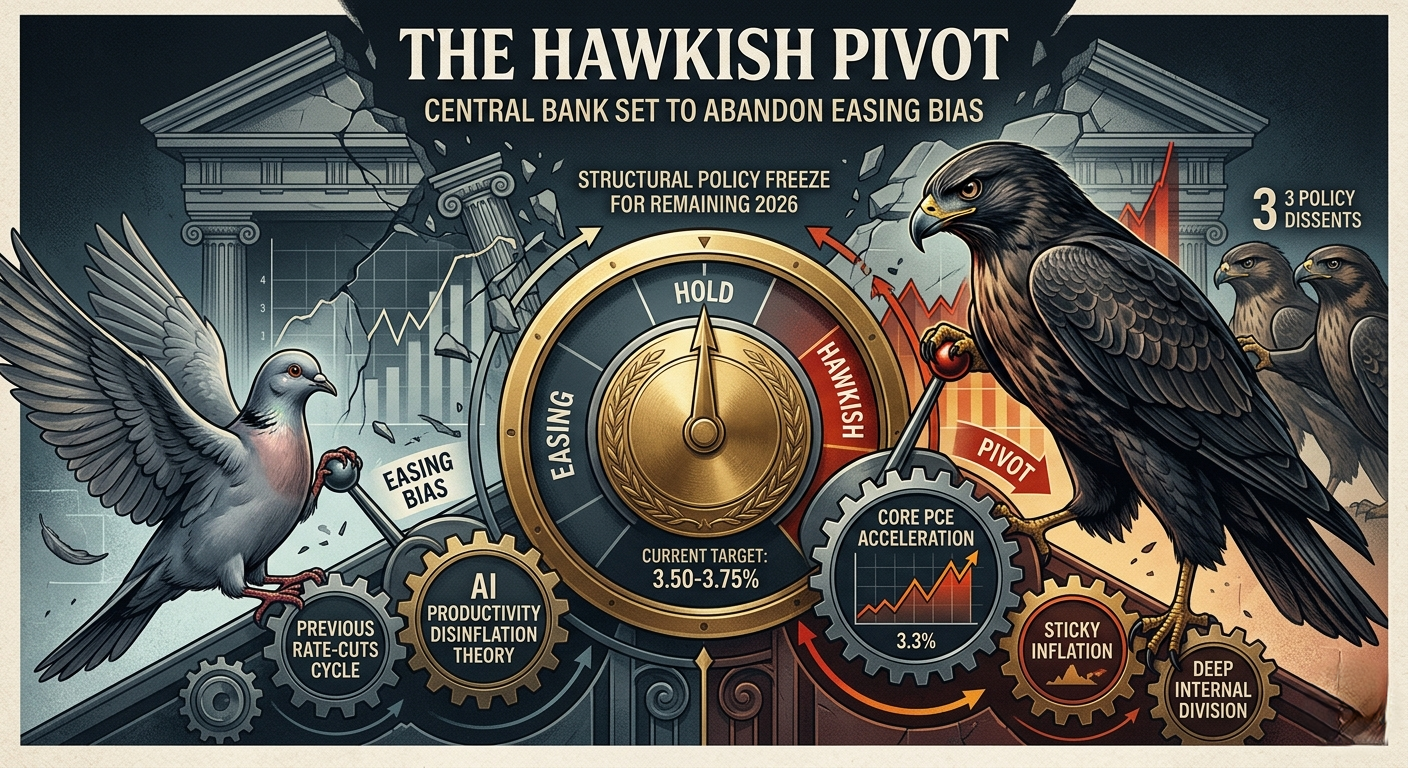
As the Federal Open Market Committee prepares to freeze interest rates, persistent Core PCE metrics and deep internal division under incoming Chair Kevin Warsh point toward a structural pause for the remainder of 2026.

16 Jun 2026
Global capital markets are experiencing their strongest IPO rebound since 2021, driven by robust corporate buy-backs that insulate equity demand from the impending wave of private mega-listings.

16 Jun 2026
A major diplomatic milestone between the US and Iran signals a clear path out of the conflict, paving the way for a swift return to a well-supplied energy market with downward pressure on oil prices.
Independent intelligence for CIOs, asset owners, private-bank investment leads, and institutional managers across Asia Pacific.
Managed by InvestIQ Asia Research. Primary-source analysis of capital deployment and portfolio decisions.