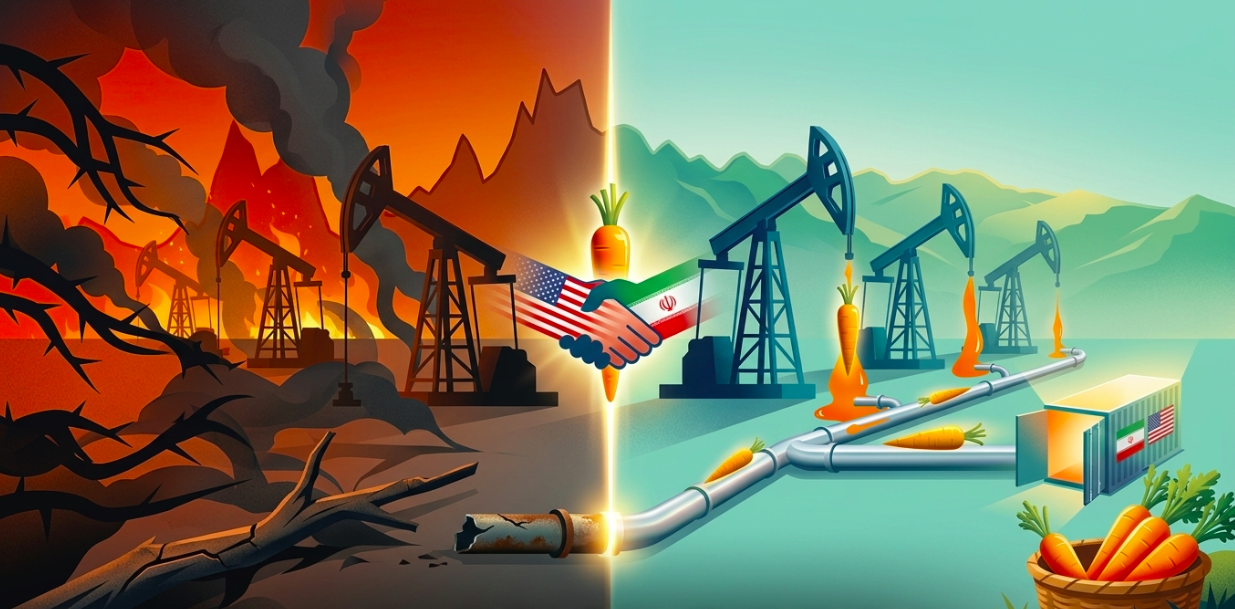
A pivotal turning point in global geopolitics and energy markets has arrived. After weeks of shifting optimism and pessimism, the United States and Iran have found common ground. A highly anticipated memorandum is set to be signed, establishing a framework for a lasting agreement later this year.
This breakthrough hinges on a diplomatic strategy of "carrots over sticks." The upcoming agreement outlines clear conditions for both nations to meet over a two-month transition period. Despite anticipated regional friction and minor operational hiccups, the trajectory away from active crisis is now firmly established.
The Diplomatic Pillars: What is on the Table
The sparse information available regarding the new memorandum highlights three core concessions aimed at defusing regional tensions:
- Ceasefire Confirmation: Formalizing the cessation of hostilities to stabilize the region.
- Safe Hormuz Shipping: Securing the vital Strait of Hormuz to guarantee unhindered global maritime trade.
- Sanctions Relief: Providing Iran with economic incentives in exchange for compliance, particularly regarding foundational nuclear issues.
Market Resilience: The Threat That Wasn't
The conflict was widely feared as the ultimate wildcard capable of crippling global energy supplies. However, the worst-case scenario never materialized. Crucially, crude prices never sustained the damaging spikes required to trigger broader global recessionary dynamics.
This stability proved that global commodity markets are far more resilient than analysts previously modeled. Supply continuity was maintained through several key tactical buffers:
- Alternative Export Routes: Seamless deployment of backup supply pathways outside the immediate conflict zone.
- Infrastructure Flexibility: Exceptional adaptability within European and global natural gas networks.
- Pragmatic Adjustments: Rapid realignment of logistical chains for other critical Gulf resources.
Ultimately, economic pragmatism prevailed over political noise, insulating the global economy from severe structural shocks.
The "New-Old" Market Order: Preparing for Oversupply
Looking ahead, energy markets are poised for a swift return to a landscape dominated by oversupply. Because most regional oil fields and export facilities were merely curtailed rather than physically destroyed or shut-in, production and export capacities can be restored almost immediately.
Furthermore, supply dynamics have fundamentally shifted since the conflict began:
| Market Factor | Near-Term Status | Portfolio Impact |
|---|---|---|
| Alternative Supply Routes | Remaining in full use | Keeps global energy channels highly saturated even with partial Hormuz trade. |
| Energy Transition | Structural acceleration | Permanently erodes structural fossil fuel demand. |
| UAE OPEC Exit | Active departure | Intensifies raw supply competition among major producers. |
This combination means the looming oversupply environment could be significantly harsher than the market friction experienced late last year.
Strategic Investment Views
The broader takeaway from this conflict is a comforting lesson in market resilience. However, the structural realities of returning supply demand a disciplined investment stance.
- Crude Oil (Cautious): The swift resumption of Iranian exports, combined with intense supply competition and alternative trade routes, will maintain persistent downward pressure on oil prices.
- European Natural Gas (Neutral): While the broader crisis is fading, European natural gas inventories remain below seasonal averages. Replenishing these stocks will require ongoing price incentives, keeping the outlook flat but stable.
Ultimately, this diplomatic breakthrough underscores that geopolitical risk premiums fade quickly when economic fundamentals take back the reins.