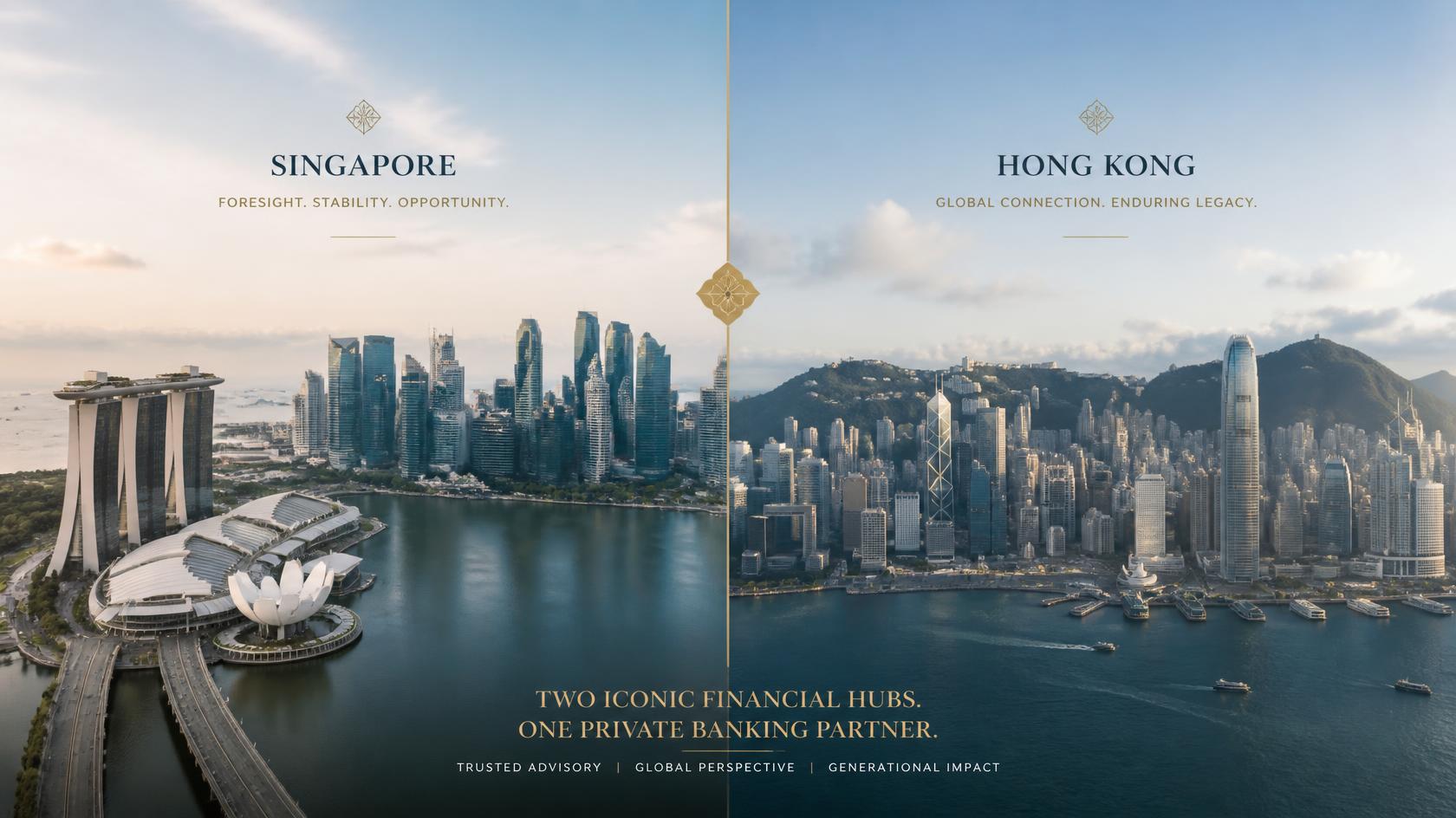
The traditional behavioral bias toward self-directed, transactional trading among Asia-Pacific’s ultra-high-net-worth individual client base is facing structural resistance. Confronted with a bruising series of macroeconomic shifts and cross-border currency imbalances, family office investors are actively abandoning hands-on trading mandates. This fundamental client pivot has propelled regional discretionary portfolio management assets under management to unprecedented heights, driving an intense competitive race for experienced private banking professionals who can navigate complex client distributions. To capture this historic shift in consumer behavior, premier private banking platforms are engineering a comprehensive layout optimization of their relationship management teams across their primary Singapore and Hong Kong book structures. This structural transition is redefining how private capital interacts with international alternative markets.
The operational momentum underpinning this regional scaling is exemplified by the latest executive talent acquisition executed by Bank of Singapore. The institution has formally announced the strategic appointment of veteran private banker Ankit Swaika as team head for global South Asia coverage, based within its core Singapore operational hub. Swaika joins the firm following nearly a decade of managing ultra-high-net-worth portfolios at Bank Julius Baer, bringing deep expertise in family office advisory, structured solutions, and global market research. This high-profile hire follows a systematic leadership build-out orchestrated under the market direction of Zubin Dabu, marking a clear institutional commitment to capturing the accelerating wealth generation segments flowing through non-resident Indian and global South Asian networks. By onboarding top-tier advisory talent from major global peers, the private bank is successfully positioning its platform to manage complex cross-border wealth structures.
Simultaneously, the expansion of physical wealth architecture across regional nodes highlights the immense capital velocity backing the wealth management sector. This is evidenced by AXA Hong Kong and Macau finalizing a landmark long-term commercial lease agreement with Sun Hung Kai Properties Limited to occupy multiple floors at the newly constructed International Gateway Centre in West Kowloon. This substantial square-foot commitment is engineered to house a premier, one-stop wealth management hub and dedicated distribution offices, underscoring the emergence of specialized business districts tailored specifically to institutional-grade wealth preservation. The convergence of physical infrastructure scaling with executive talent migrations reinforces the reality that top-tier wealth managers are aggressively positioning their platforms to capture the massive intergenerational wealth transfer sweeping through the region over the next decade.
The core operational driver behind this talent race is the comprehensive expansion of regulatory tax concessions designed to attract privately offered funds and family office syndicates. Both Singapore and Hong Kong are actively updating their legislative frameworks to grant expanded tax exemptions for carried interest and private wealth vehicles, directly influencing where international managers choose to locate their primary execution desks. For elite family offices, these regulatory updates remove the friction of traditional fee-on-asset-under-management models, allowing for the fractional ingestion of sophisticated hedge fund strategies and exclusive private market infrastructure tranches. Private banks that successfully weaponize an integrated, multi-product shelf backed by highly specialized relationship managers will consolidate absolute control over the regional private wealth pipeline, while those failing to attract top-tier talent face immediate client attrition as prominent families migrate toward agile, independent multi-family office structures.