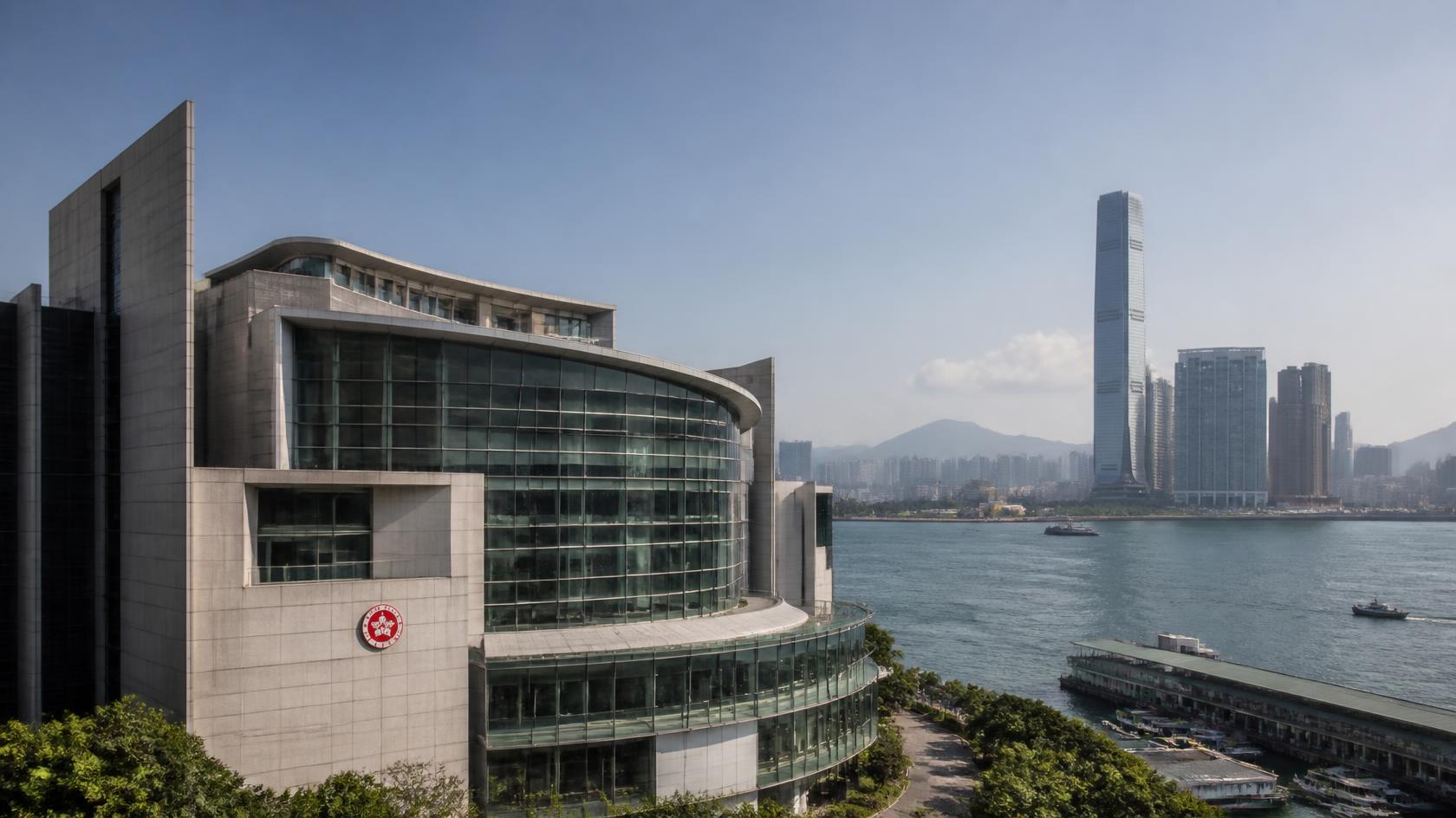
The wealth management ecosystem across the North Asian private banking corridor has entered a phase of intensive structural reorganisation following a major regulatory intervention by local fiscal authorities. A sweeping tax exemption bill aimed at expanding historical concessions on carried interest has been officially submitted to Hong Kong lawmakers for urgent legislative review. This targeted policy update responds directly to escalating cross-border competition among premier regional wealth hubs, where jurisdictions are competing intensely to attract ultra-high-net-worth individual channels and multi-family office capital flows. The proposed legal framework dismantles archaic administrative hurdles that previously limited tax relief to institutional private equity funds.
The private wealth sector faces an evolving competitive matrix where the capacity to optimize post-tax performance parameters serves as the primary driver for human capital retention. For decades, private bank-backed external asset managers and boutique investment houses operated under rigid tax guidelines that penalised performance-fee distributions. The return of intense regional rivalry from alternative hubs has forced local authorities to execute a profound modernisation of their statutory incentive programs. By creating an explicit carried interest tax exemption pathway for private wealth platforms, the state provides an immediate financial buffer for local investors.
To capture this looming tax windfall, executive committees across the territory are prioritising the rapid overhaul of their internal corporate layers and employee compensation structures. Single-family offices that previously structured their investment professionals under standard corporate tax vehicles are rushing to transition toward qualified fund management units. This proactive alignment ensures that boutique wealth advisory firms can protect their underlying profit margins while maintaining an institutionalised framework. This structural rebalancing reflects a broader industry-wide transition where alternative wealth platforms are adjusting their corporate architecture to survive.
The operational engineering underpinning this corporate tax restructuring utilises a highly sophisticated legal framework designed to align employee distribution pipelines with statutory exemption requirements. Under the binding provisions hardcoded into the legislative bill, qualifying external asset managers must satisfy precise localized substance metrics, including maintaining permanent physical operations and direct employment benches within the local financial corridor. Performance-fee models and carried interest tranches must be explicitly tied to authorised investment transactions within specific alternative asset sub-classes, such as private credit, venture capital, and real estate infrastructure.
The financial engineering required to clear these new statutory hurdles forces multi-family offices to execute thorough due diligence audits on all historical joint venture agreements and client discretionary portfolio management mandates. Independent legal counsel must restructure existing advisory templates to ensure that performance allocation mechanisms are legally segregated from standard management fees. This clear accounting separation ensures that compliance desks can deliver absolute transparency to local inland revenue supervisors during future auditing cycles, successfully insulating the wealth firms from retroactive tax liabilities or mis-selling disputes.
Concurrently, product engineering teams within private banking platforms are capitalising on this regulatory shift by rolling out customized, tax-optimised fund wrappers for their elite clients. By utilising localized corporate fund structures, such as the Variable Capital Company or specialized open-ended fund architectures, wealth managers can streamline capital velocity across cross-border markets. These automated fund delivery systems eliminate transaction operational drag and provide real-time tracking of capital call execution pipelines, allowing relationship managers to service complex accounts without encountering historical administrative settlement delays.
The scale of this carried interest tax modernization will alter the competitive dynamics across the Asia-Pacific private wealth ecosystem over the forward-looking twenty-four-month horizon. As Hong Kong establishes an exceptionally attractive tax environment for alternative asset professionals, competing wealth hubs will face immediate pressure to modernise their own incentive matrices. The migration of senior investment talent and multi-family office capital toward tax-exempt jurisdictions will likely accelerate, reinforcing the territory's status as a dominant laboratory for private wealth product engineering and capital aggregation.
Over the coming quarters, international fund selectors and alternative asset managers will aggressively expand their localized footprint within the local financial corridor to capture these restructured family office flows. This influx of elite human capital will drive greater demand for specialized quantitative and systematic trading infrastructure across regional private banking networks. Wealthy families are systematically moving their assets toward wealth management franchises that offer advanced technological execution alongside tax-optimised discretionary architectures, forcing traditional firms to invest heavily in systematic delivery platforms to maintain market share.
Ultimately, the long-term success of the regional private wealth industry will be determined by execution agility and regulatory adaptability within key front-office segments. Private banking networks that fail to modernise their corporate distribution channels face immediate marginalisation as client preferences shift decisively toward tax-efficient alpha generation. By establishing a robust, scalable systematic pipeline under the revised carried interest exemption rules, local wealth managers successfully position their businesses to command the future of sophisticated wealth management across the Asia-Pacific trade corridor.