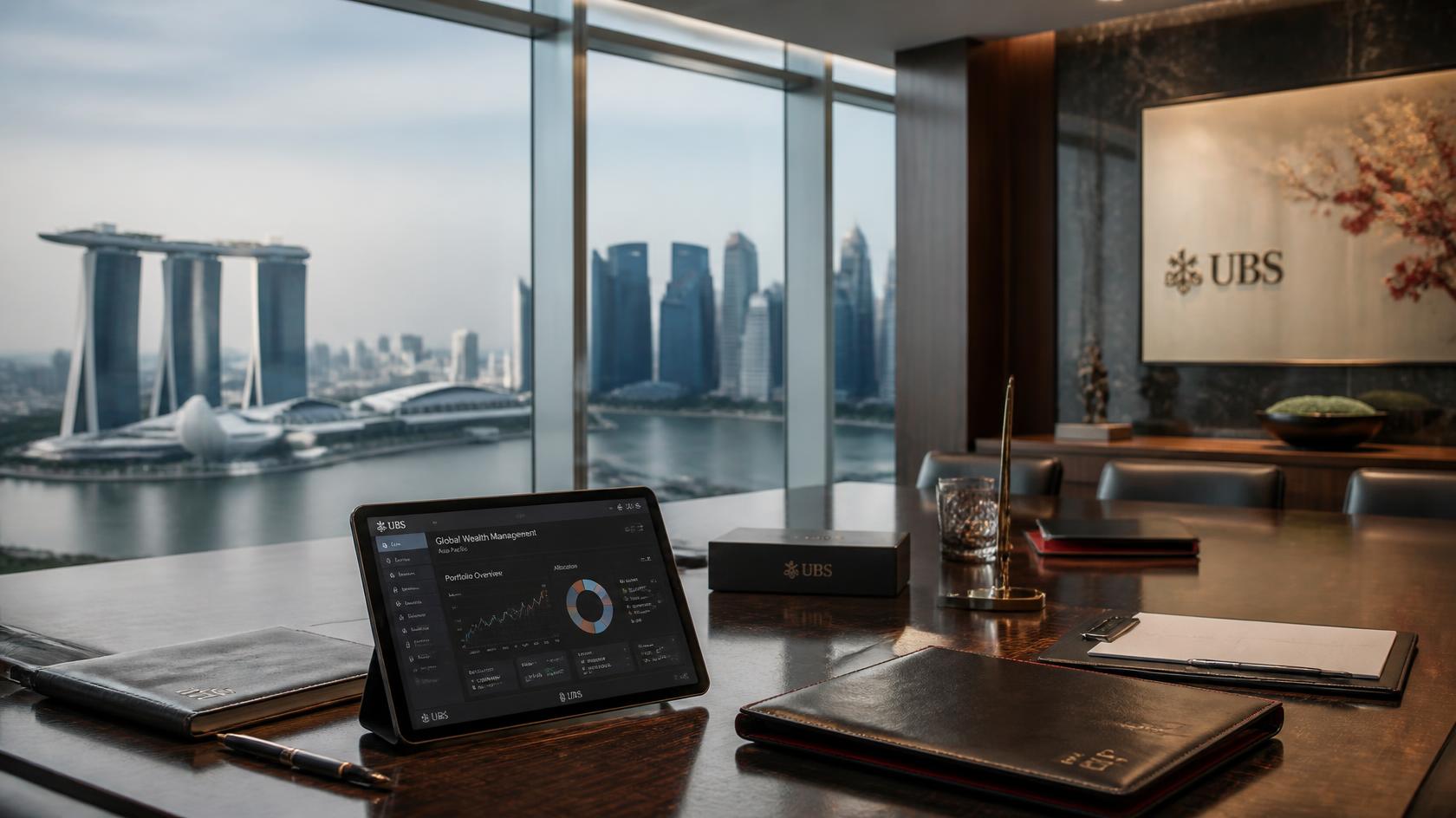
The traditional behavioral bias toward self-directed, transactional trading among Asia-Pacific’s ultra-high-net-worth individual client base is facing structural resistance. Confronted with a bruising series of macroeconomic shifts and cross-border currency imbalances, family office investors are actively abandoning hands-on trading mandates. This fundamental client pivot has propelled regional discretionary portfolio management assets under management at UBS Global Wealth Management to unprecedented heights, driven by record net new asset inflows. To capture this historic shift in consumer behavior, the Swiss banking giant is engineering a comprehensive layout optimization of its managed solutions platform across its primary Singapore and Hong Kong book structures.
The operational momentum underpinning this record scaling is driven by the structural execution of the global integration program following the acquisition of Credit Suisse. According to global head of investment management Solita Marcelli, the private banking platform has systematically absorbed specialized alternative offerings and tailored product structures from the legacy Credit Suisse product shelf. This capabilities matrix allows private bank advisory desks to embed high-utility risk management parameters directly into balanced client mandates through customized building blocks like UBS My Way, which has formally crossed the major milestone of US$ 30 billion in invested assets globally. By providing discrete access to off-market corporate distributions and institutional-grade alternative structures, the combined wealth platform is successfully overcoming the historical resistance that has kept regional discretionary penetration rates stuck well below European benchmarks.
The structural transition is further reinforced by the shifting layout of cross-border alternative asset routes. The bank's regional wealth management channels are actively guiding institutional-scale wealth syndicates to shift capital out of concentrated public market equities in favor of diversified private markets vehicles, direct lending, and infrastructure. This advisory strategy is designed to insulate multi-billion-dollar family office balance sheets from persistent public market volatility and currency derivative imbalances. As elite wealth creators gather across regional hubs to map out multi-generational wealth preservation strategies, the private banks that successfully weaponize an integrated, multi-product shelf will consolidate absolute control over the regional alternative asset pipeline.
The core operational driver behind this DPM momentum is the massive intergenerational wealth transfer sweeping through Asian family office structures. Unlike legacy wealth creators who preferred concentrated, transactional bets in local property or domestic equity markets, the incoming generation of investors operates with a globalized diversification mandate. By utilizing platforms that allow the fractional ingestion of sophisticated hedge fund strategies, direct private equity tranches, and sovereign co-investments with a minimum entry threshold of US$ 1 million, wealth desks can offer institutional-scale diversification to private clients. This hybridization of wealth management removes the friction of standalone private equity mandates, locking in sticky fee-on-AUM revenue lines for the bank while defending client portfolios against sudden macroeconomic corrections.