
23 Oct 2026
APAC People Moves: The Week to 23 October 2026
18 senior appointments across Asia-Pacific private banking, asset management and institutional capital this week, compiled from the InvestIQ Asia People Moves wire.
EditorialRead
Archive
Browse the Asset Owner archive on InvestIQ Asia. Subscribe below to get the latest stories by email.
Register for the daily newsletter23 Oct 2026
18 senior appointments across Asia-Pacific private banking, asset management and institutional capital this week, compiled from the InvestIQ Asia People Moves wire.

23 Oct 2026
The Hong Kong Monetary Authority can add private equity and property for 2027 only from the Exchange Fund surplus over the monetary base. Investors who treat the published size of the fund as investable capital will misread the mandate.

22 Oct 2026
Japan's Government Pension Investment Fund will let its published policy mix, not a tactical view, decide manager fees, currency treatment and illiquid capacity through March 2027.

21 Oct 2026
The Hong Kong Monetary Authority said on 20 October 2026 that China's Ministry of Finance will issue renminbi sovereign bonds through the Central Moneymarkets Unit. The notice names the tender channel but leaves amount, tenor and price to the annexes.

20 Oct 2026
As Australian superannuation funds lock 2027 pacing, AustralianSuper's investment team, working through its first planning cycle since Mark Delaney retired as chief investment officer in June, and Aware Super under CIO Damian Graham are weighing three channels for Asia-Pacific credit: Singapore origination, London platforms and domestic Australian books.

16 Oct 2026
Indonesia’s two sovereign investment vehicles have finalised a US$200 million commitment to Chandra Asri’s Chlor Alkali–Ethylene Dichloride facility, illustrating their continuing co-investment model after the transfer of most state-owned enterprise assets to Danantara.

14 Oct 2026
Seviora Holdings, Temasek’s primary asset-management platform, will integrate Azalea Investment Management, SeaTown Holdings International and Seviora Capital under one operating model and brand from 1 January 2027. The combined platform manages approximately US$76 billion.

12 Oct 2026
Thailand’s largest civil-service pension scheme is replacing its long-standing strategic asset allocation model with a hybrid Total Portfolio Approach and has proposed raising the overseas investment limit from 25 per cent to 40 per cent.

12 Oct 2026
Mubadala has restated its intention to deploy approximately $39 billion annually while raising its Asia portfolio weight. GIC has moved to a refreshed investment framework organised by return drivers and is expanding hedge-fund allocations. Both moves point to greater selectivity rather than broad beta expansion.

9 Oct 2026
GIC Chief Executive Officer Lim Chow Kiat has noted that government borrowing, artificial intelligence buildouts, and energy transition demands are permanently repricing long-term capital costs.

8 Oct 2026
Across September 2026, Asia’s largest pensions and sovereign investors continued to expand private-market exposure, while many family offices remained active but increasingly discriminating about new fund commitments. The month crystallised a clear allocation split that has been building all year.

7 Oct 2026
The official concept paper for Khazanah Megatrends Forum 2026, themed “Who’s Got the Power?”, examines how contests over geopolitics, technology, climate, demographics and inequality are reshaping the rules of capital and influence for mid-sized Asian economies.

7 Oct 2026
Asia currently accounts for roughly 10 percent of the fund’s private equity portfolio. That share is expected to double over the next three to five years as the A$430 billion pension fund seeks higher returns in markets with lower private equity penetration.

6 Oct 2026
South Korea’s National Pension Service has taken roughly half of a US$700 million raise into M&G Real Estate’s inaugural Asia-Pacific value-add commingled fund, targeting operational improvement strategies across Japan, Australia, Korea and Singapore.

6 Oct 2026
The Hong Kong-based manager has submitted draft listing documents for a closed-ended OFC that will target property-backed private loans across Asia Pacific and the Middle East, offering listed investors access to an asset class previously available mainly through private vehicles.
5 Oct 2026
Malaysia’s civil-service pension fund KWAP is looking at retirement-village and senior-economy investments, according to on-record remarks by the second finance minister. In parallel, KWAP has launched Dana Perintis, committing up to RM500 million to Malaysian-focused venture capital and direct early-stage companies. One fund, two sleeves: ageing real assets and domestic innovation capital.

5 Oct 2026
South Korean authorities are leaning toward retaining the 70 per cent cap on risky assets in retirement pensions. Market volatility has slowed a reform push that had aimed to give savers more room. For managers, the near-term product and allocation story stays inside the existing framework.

2 Oct 2026
Across the region, sovereign, pension and insurance balance sheets are treating gold as portfolio infrastructure: Hong Kong is deepening market plumbing and MPF access paths, Korea has widened reserve implementation tools, and Japanese institutional investors are looking beyond domestic bonds and currency risk. The common theme is diversification under a wider set of macro outcomes.

1 Oct 2026
Allianz Research data put insurance and pension assets at 47.2 per cent of Singaporean household financial portfolios, against a global average of about 24.8 per cent. Net financial assets per capita ranked fourth globally in 2025. The open question for insurers and asset managers is whether that savings model holds as households move more wealth into securities worldwide.

29 Sep 2026
The CPF Board will introduce a new investment scheme in 2028 offering simplified, low-cost, diversified life-cycle products from commercial providers. Portfolios will rebalance automatically along a glide path from higher-risk assets toward lower-risk assets as members age, with phased liquidation by a target date. Industry engagement on product specifications is already under way.

25 Sep 2026
The Marsh Global Asset Owner Barometer 2026, covering 430 owners with about US$5.8 trillion in assets, finds infrastructure the strongest net allocation intention for the coming year. Inflation-linked assets and emerging-market equities follow. Cash has flipped from net reduction plans to a clear net increase, restoring optionality after a year of tighter liquidity preferences.

23 Sep 2026
Korea’s National Pension Service is seeking a licence to invest in Indian government securities under SEBI’s lighter compliance route for low-risk foreign investors such as pensions and sovereign funds. Public reporting describes the application as advanced and among the first from a large global pension under that window. A dedicated G-sec channel would sit beside existing India equity exposure via offshore funds.

22 Sep 2026
The New Zealand Superannuation Fund reported a 14.2 per cent return for the year to 30 June 2026. Public coverage of the result noted a substantial equity weight and an underweight to US equities during a period when global equity leadership was concentrated. For other asset owners, the lesson is reference-portfolio design, not a single year’s number.

18 Sep 2026
Lee Kyu-hong takes the National Pension Service’s chief fund officer seat on 14 September. Domestic equities were 29.1 per cent of financial assets at the end of June, above a target the committee had already raised to 20.8 per cent. The 2026 plan is unchanged.

17 Sep 2026
The Abu Dhabi Investment Authority’s 2025 review lifts the private-equity policy range to 15–20 per cent and financial alternatives to 7–12 per cent. The real-estate range falls to 2–7 per cent. Absolute property exposure is described as unchanged. Twenty-year annualised return: 6.6 per cent.

16 Sep 2026
Japan’s Government Pension Investment Fund continues to operate a four-box listed policy mix, with alternatives limited to 5 per cent inside those boxes. Korea’s National Pension Service has written a 14 per cent alternatives allocation, including private debt, into its 2026 plan. The two funds sit in the same regional coverage universe. Their mandates do not.

15 Sep 2026
A coordinated capital deployment pass across primary sovereign allocation frameworks establishes a direct peer-to-peer origination model. Heavyweight wealth custodians are bypassing high-fee fund managers to capture pure complexity premiums.

14 Sep 2026
A sector-wide index restructuring across major tax-exempt endowment boards points to an aggressive factor re-weighting pass. Homegrown asset owners are utilizing programmatic stock swaps to isolate baseline income yields from international compliance friction.

11 Sep 2026
A targeted reallocation strategy across Southeast Asia's premier state retirement systems points to an onshore credit shift. Leading fund custodians are locking in local currency yield premiums to hedge against global currency swings.

10 Sep 2026
A structural allocation migration across top-tier institutional endowment boards highlights an aggressive shift in long-term cash curation. Elite university treasuries are bypassing commingled fund models to co-invest directly in senior secured credit grids.

8 Sep 2026
The nation's sovereign wealth guardian aggressively reduces its long-standing liquid cash cushions. A systematic asset rotation into private credit and inflation-linked tangibles aims to counter persistent fiscal volatility.

4 Sep 2026
The premier Southeast Asian retirement fund records a major leap in half-year investment income. A deliberate portfolio asset rotation into global equities and alternative private placements anchors the fund's absolute returns.

4 Sep 2026
The wealth management group's deep integration into modernized cross-border tracking infrastructure establishes an operational barrier. Key intermediaries are leveraging unified look-through systems to anchor client books.

2 Sep 2026
The massive capital deployment executed by South Korea's National Pension Service sidesteps traditional commingled fund tracks. By establishing a direct co-investment pipeline, the sovereign investor is locking in core logistics cash flows.

2 Sep 2026
The inaugural APAC Living Investor Survey highlights an intense structural realignment across property portfolios. Major asset owners are aggressively bypassing standard commercial office blocks to back conversion-led alternative assets.

1 Sep 2026
The third-largest pension fund’s massive first-half outperformance exposes a heavy factor concentration. As global investors chase index beta, macro risk architects are evaluating the hidden liquidity traps behind the AI equity boom.

31 Aug 2026
The massive capital exit executed by Wheelock Marden Capital exposes a structural liquidity crunch across regional family offices. Long-duration investors are rapidly trading legacy tech fund stakes for direct cash certainty.

28 Aug 2026
Confronted with rigid structural boundaries under standard allocation models, the Government Pension Fund of Thailand designs an open-architecture layout to maximize investment flexibility and deploy defensive technology shields.

27 Aug 2026
Japan's premier private life carrier is shifting long-duration portfolios into offshore quantitative channels to protect solvency metrics from structural margin compression.

26 Aug 2026
South Korea's National Pension Service is building aggressive offshore private credit routes, pulling capital out of stagnant domestic equities to secure downside insulation.
25 Aug 2026
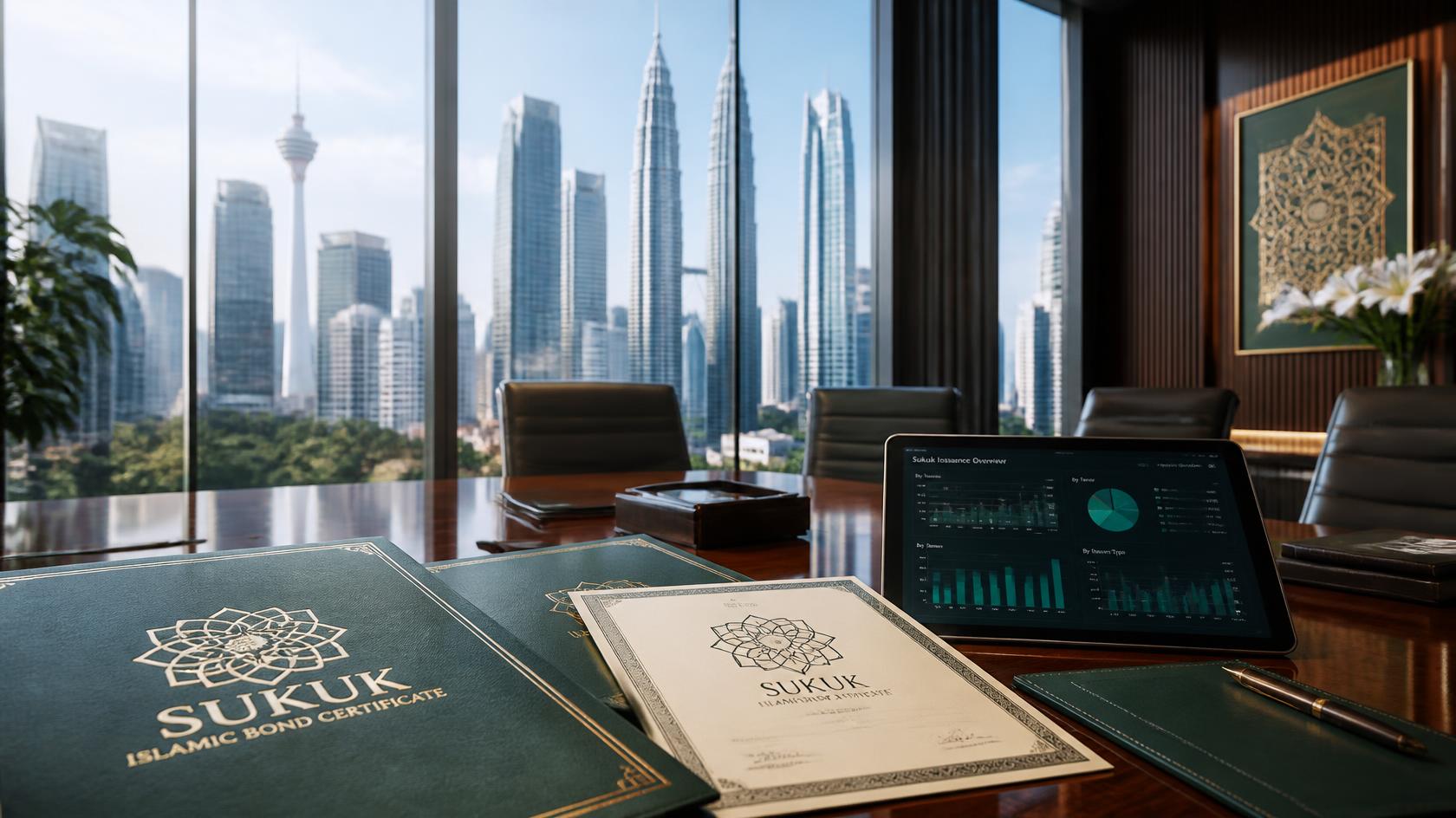
As Bank Negara Malaysia enforces strict climate risk reporting requirements, regional insurance operators weaponise targeted infrastructure bonds to protect core long-duration liability portfolios.
24 Aug 2026
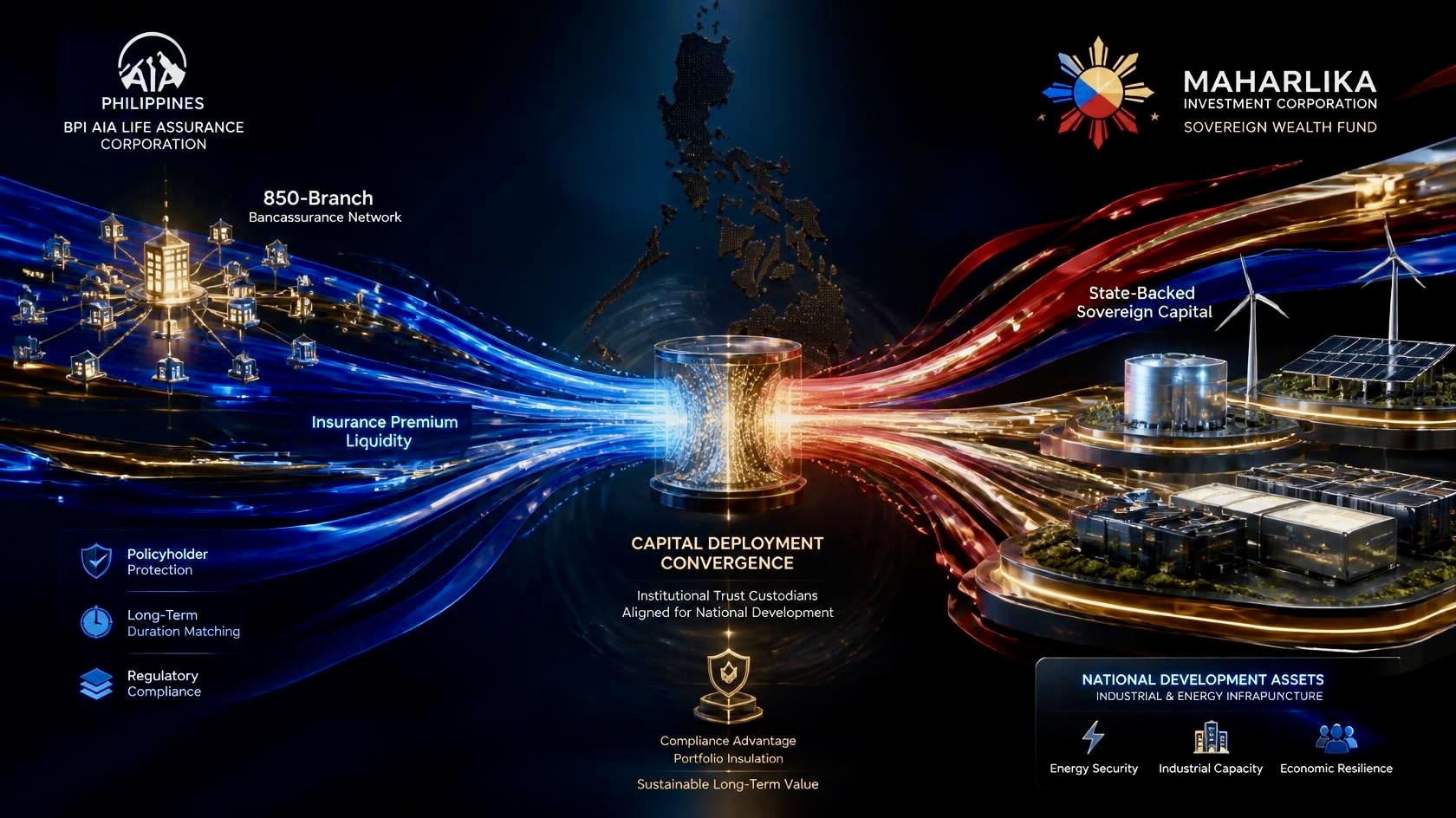
Following the landmark appointment of Melissa Henson as Chief Executive Officer of BPI AIA Life Assurance Corporation, the combined insurance group re-evaluates its liquidity footprint to capitalise on a multi-billion-peso sovereign storage infrastructure rollout.

21 Aug 2026
The insurance conglomerate is actively restructuring its multi-billion-dollar fixed-income matrix under look-through regulatory parameters. The shift redirects premium liquid cash into specialized alternative debt instruments to insulate yields.

20 Aug 2026
A massive portfolio reallocation is accelerating across regional insurance general accounts as state-backed pension desks look beyond listed fixed-income markets. The migration targets senior corporate lending and alternative credit tranches.

19 Aug 2026
The National Financial Regulatory Administration has formally authorised mainland Chinese insurers to deploy long-duration retirement assets into Hong Kong-listed exchange-traded funds. The programmatic policy shift leverages established cross-border trading infrastructure to unlock massive institutional liquidity pools and modernise state pension asset allocation frameworks across the Greater Bay Area.

19 Aug 2026
The central bank has launched a targeted package of fiscal and structural incentives engineered to protect Singapore's value proposition. The measures seek to aggressively anchor alternative investment activities amid sharpening regional competition.

18 Aug 2026
A granular analysis of recent public corporate disclosures across prominent alternative lending vehicles reveals an abrupt cyclical down-turn. Rising non-accrual loan rates require an immediate re-evaluation of mid-market underwriting metrics.

17 Aug 2026
South Korea's Ministry of Finance has initialized plans to launch a dedicated state-backed sovereign vehicle to deploy up to 1 trillion won ($707 million) into strategic high-tech tranches. The mandate positions the peninsula aggressively within the intensifying global sovereign tech procurement race.

16 Aug 2026
Indonesia's newly established sovereign wealth fund has formulated a strategic capital deployment targeting premier global alternative managers. The programmatic mandate structure distributes an average of five hundred million dollars per manager, focusing strictly on high-reputation partners to lock down continuous portfolio liquidity across Southeast Asian state accounts.
14 Aug 2026
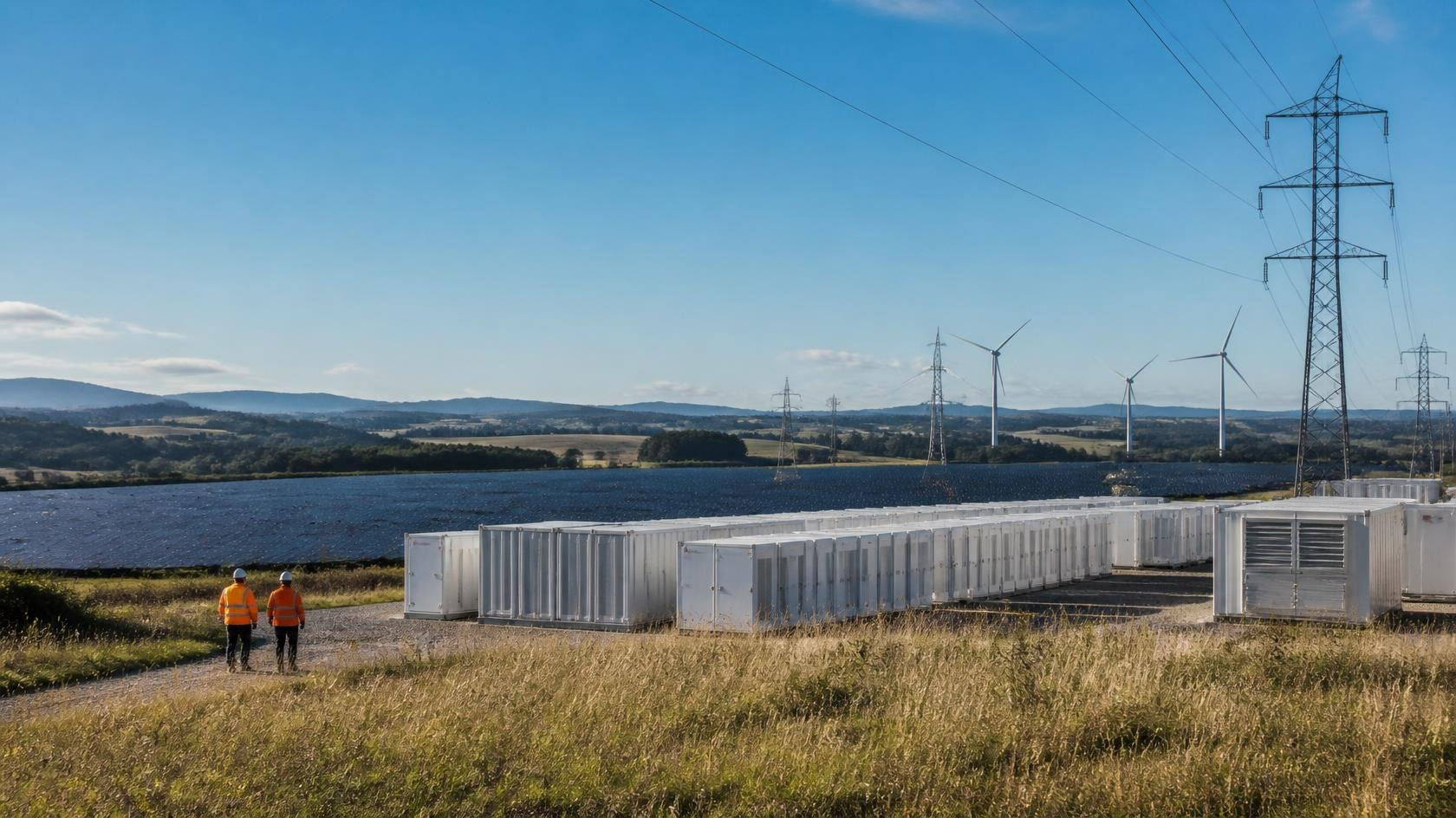
The retirement fund has awarded a targeted mandate to an international real asset specialist to develop sustainable utility and storage networks across the domestic market.

13 Aug 2026
The state-backed sovereign fund is expanding its industrial development parameters to capture surging multi-billion-dollar supply chain infrastructure opportunities across Greater Jakarta.

12 Aug 2026
Singapore’s sovereign wealth fund is anchoring a massive international infrastructure joint venture to build dedicated computing facilities for the creator of the Claude AI chatbot ecosystem.

11 Aug 2026
Japan’s Government Pension Investment Fund has recorded a historic performance milestone while state officials move to grant the sovereign entity broader investment boundary permissions.

10 Aug 2026
Malaysia’s federal pension fund systematically tightens alternative investment governance and deploys target capital to local tech infrastructure and industrial asset ecosystems following a comprehensive review of its unlisted venture exposure.

9 Aug 2026
The Guardians of New Zealand Superannuation are executing a systematic reallocation of the nation's ninety-three billion dollar sovereign wealth fund, shifting capital away from traditional offshore listed equity structures to spearhead direct investments in domestic data infrastructure and localized clean energy transmission.
7 Aug 2026
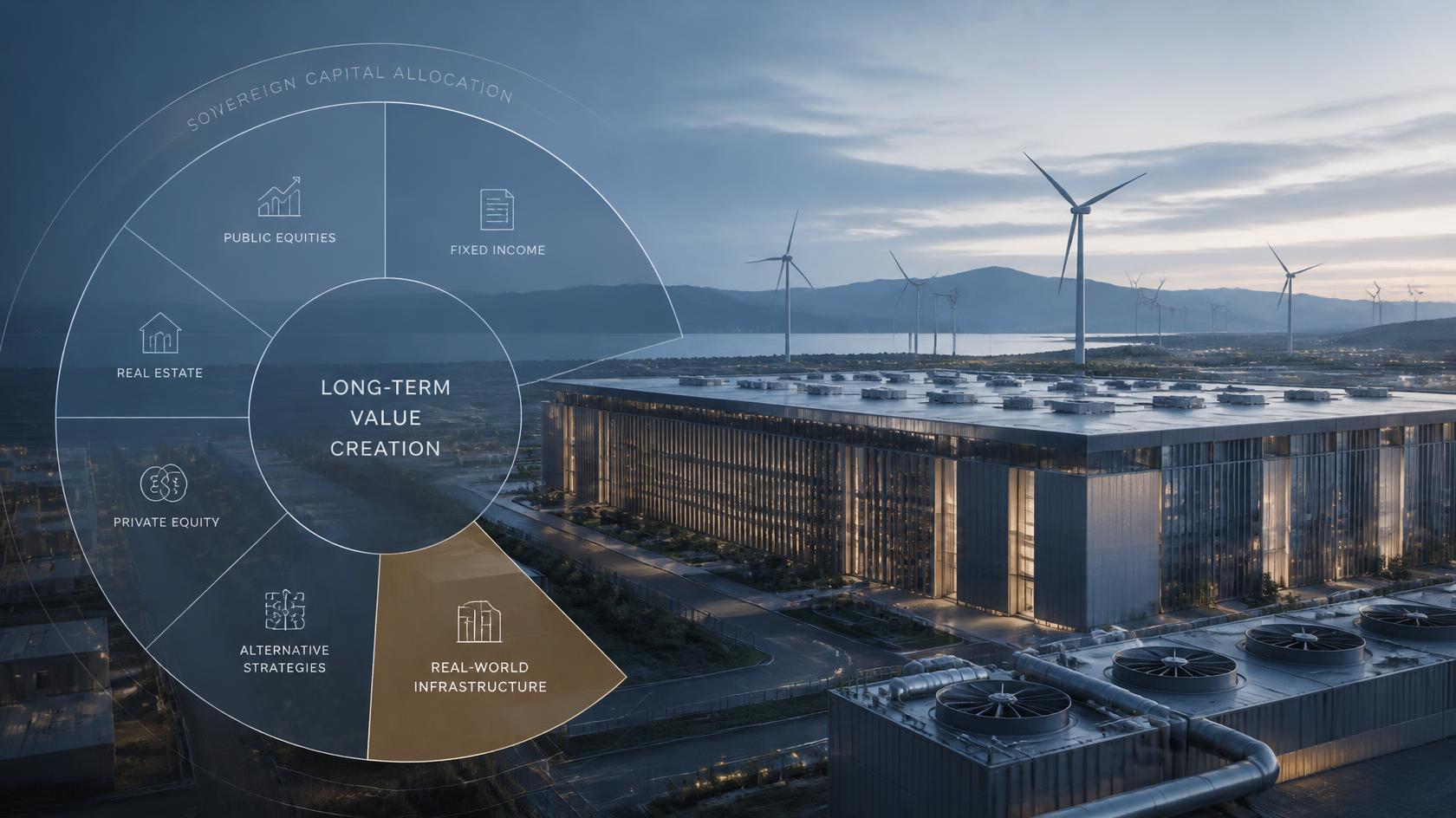
In a major structural shift across the macro landscape, Singapore’s GIC and Abu Dhabi’s Mubadala are executing multi-billion-dollar portfolio rebalancings, offloading illiquid private equity stakes while anchoring long-term capital into physical artificial intelligence infrastructure.

6 Aug 2026
In response to worsening regional market volatility, Etiqa Insurance Singapore has structured a new non-participating endowment plan utilizing a regime-aware asset rotation index to preserve institutional balance sheets while maintaining market exposure.

5 Aug 2026
A massive national security allocation pushes South Korea’s sovereign fund into next-generation alternatives while domestic capital frameworks consolidate.

4 Aug 2026
As prolonged fund distribution cycles and private-market valuation friction slow the velocity of cash returns across global asset registries, major institutional investors are executing targeted secondary market reallocations. By proactively divesting bundles of mature buyout and regional alternative fund interests, elite educational endowments and non-profit foundations are methodically restructuring their alternative portfolios to optimize near-term cash velocity and defend baseline capital-preservation targets.

3 Aug 2026
As long-term real returns compress to cyclical lows, the strategic playground for mega-investors is shifting away from static benchmarks; an institutional pivot toward flexible asset groups, multi-strategy overlays, and hard AI physical assets is redefining global asset owner deployment.

29 Jul 2026
As cross-border capital reallocation accelerates across the Asia-Pacific corridor, the definitive asset management census from the Monetary Authority of Singapore uncovers a sharp structural divergence between liquid public strategies and private market layers.

28 Jul 2026
As global interest rate divergence triggers structural valuation smoothing distortions, multi-trillion-dollar institutional custody records confirm a massive asset rotation out of public bond registries and into defensive liquidity pools.

27 Jul 2026
The National Pension Service of South Korea establishes a strategic alternative credit and physical infrastructure equity allocation pipeline, adjusting public market exposure to lock in industrial footprints across emerging trading corridors.

27 Jul 2026
Canada’s largest pension fund expands its core joint venture platform across primary Indian trade corridors, targeting institutional Grade-A supply infrastructure to capture resilient manufacturing carry.

24 Jul 2026
Sovereign wealth funds and global pension investors rapidly scale physical operations inside Gujarat International Finance Tec-City (GIFT City), driving a +7.5% MoM surge in capital deployment via custom International Financial Services Centre (IFSC) fund vehicles to capture structural Indian macro alpha while dodging legacy offshore tax friction.

23 Jul 2026
China’s USD 1.35 trillion sovereign wealth fund redirects capital from traditional Western real estate portfolios, establishing a massive infrastructure equity pipeline across primary ASEAN manufacturing corridors.

23 Jul 2026
The Monetary Authority of Singapore faces structural hawkish pressure as accelerating services and utility input pass-throughs lock the central bank into an aggressive, appreciative currency posture.

23 Jul 2026
The Monetary Authority of Singapore holds its strict currency appreciation slope unchanged, explicitly prioritizing local price stability and cross-border booking security over aggressive monetary easing.

21 Jul 2026
As the Bank of Japan’s historic 9.1% year-on-year monetary contraction collides with 31-year interest rate volatility, a sharp compression in net interest margins forces private investors to hedge against North Asian credit dispersion.

20 Jul 2026
Following a major financial irregularity event inside an agritech portfolio venture, the civil service pension administrator implements tight co-investment boundaries and enhanced oversight to insulate its RM40 billion alternatives carve-out.
20 Jul 2026
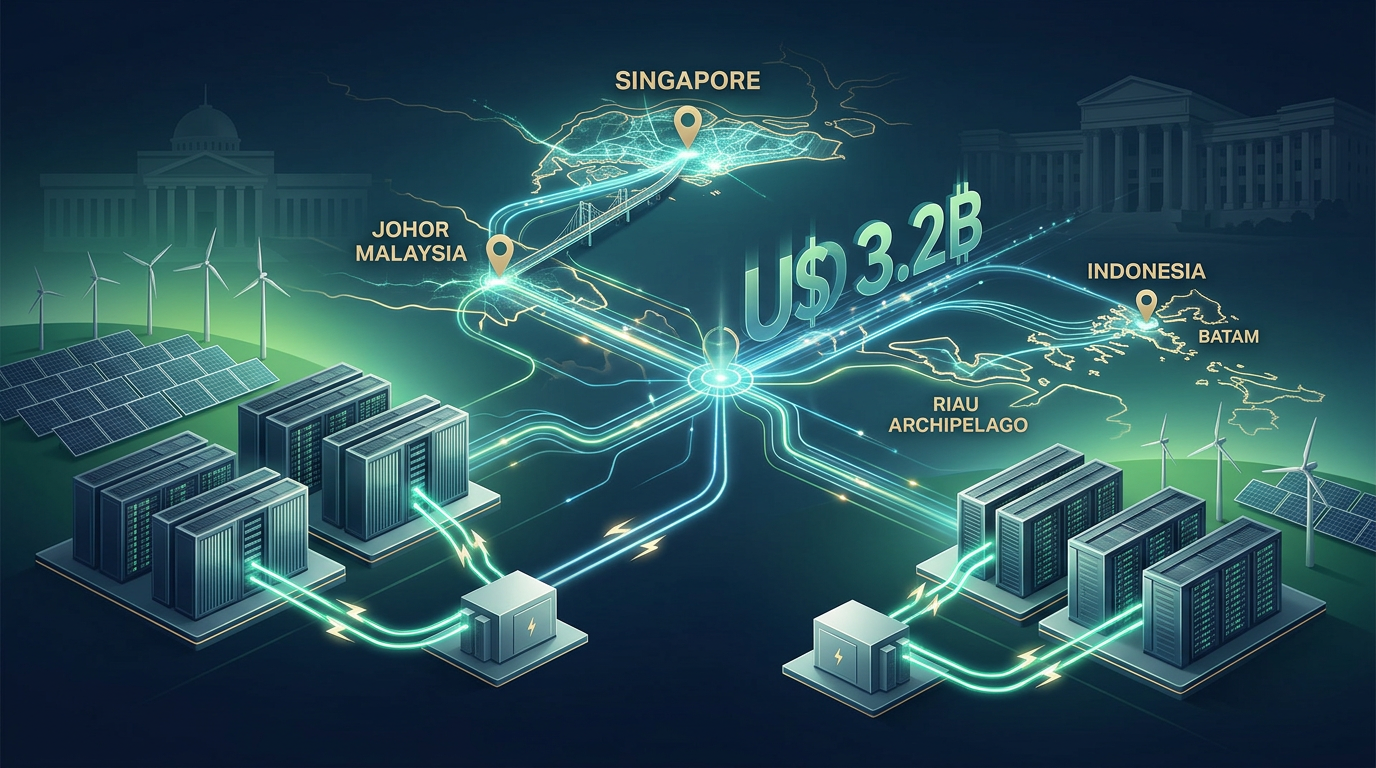
To bypass severe land and power grid constraints in Singapore, a coalition of state asset owners deploys massive capital into the Johor-Riau digital corridor, shifting regional private equity real estate paradigms.

16 Jul 2026
Normalization collides with structural solvency risks as JGB holdings drop, funding costs climb to 31-year highs, and regional banks face severe duration mismatches.

16 Jul 2026
Singapore’s sovereign wealth manager reallocates liquid reserves into global energy transmission grids, leveraging a data-backed underwriting layout to shield its portfolio from traditional office sector illiquidity.

15 Jul 2026
Faced with strict Financial Services Authority (OJK) minimum capital rules and sweeping SOE structural mergers, Indonesian insurance asset owners rotate portfolios into long-term infrastructure and digital distribution layers.

15 Jul 2026
Malaysia’s public sector pension fund, Kumpulan Wang Persaraan (Diperbadankan), recalibrates its 2025–2026 Strategic Asset Allocation, shifting substantial capital into high-growth, high-value alternative infrastructure

15 Jul 2026
Singapore’s state investor takes lead placement in a localized decarbonization syndicate, deploying patient capital to secure regional grid connectivity and high-barrier clean energy transition assets.

10 Jul 2026
As regional energy shocks and structural domestic wage growth keep core inflation pinned near the upper threshold of central bank forecasts, institutional economists predict MAS will hold its restrictive S$NEER parameters steady to insulate the city-state's trade corridors.

6 Jul 2026
The Insurance Authority (IA) announces key regulatory initiatives aimed at enhancing industry stability, digital transformation, and consumer safeguards amid evolving market dynamics in 2026.

16 Jun 2026
An unprecedented combination of standard sovereign deficits and a massive flood of artificial intelligence infrastructure debt will force global yield curves to steepen drastically throughout the remainder of 2026.

16 Jun 2026
A potent intersection of severe climate shifts and major shipping gate disruptions risks driving global food indices into double-digits, complicating central bank calculations into 2027.
16 Jun 2026
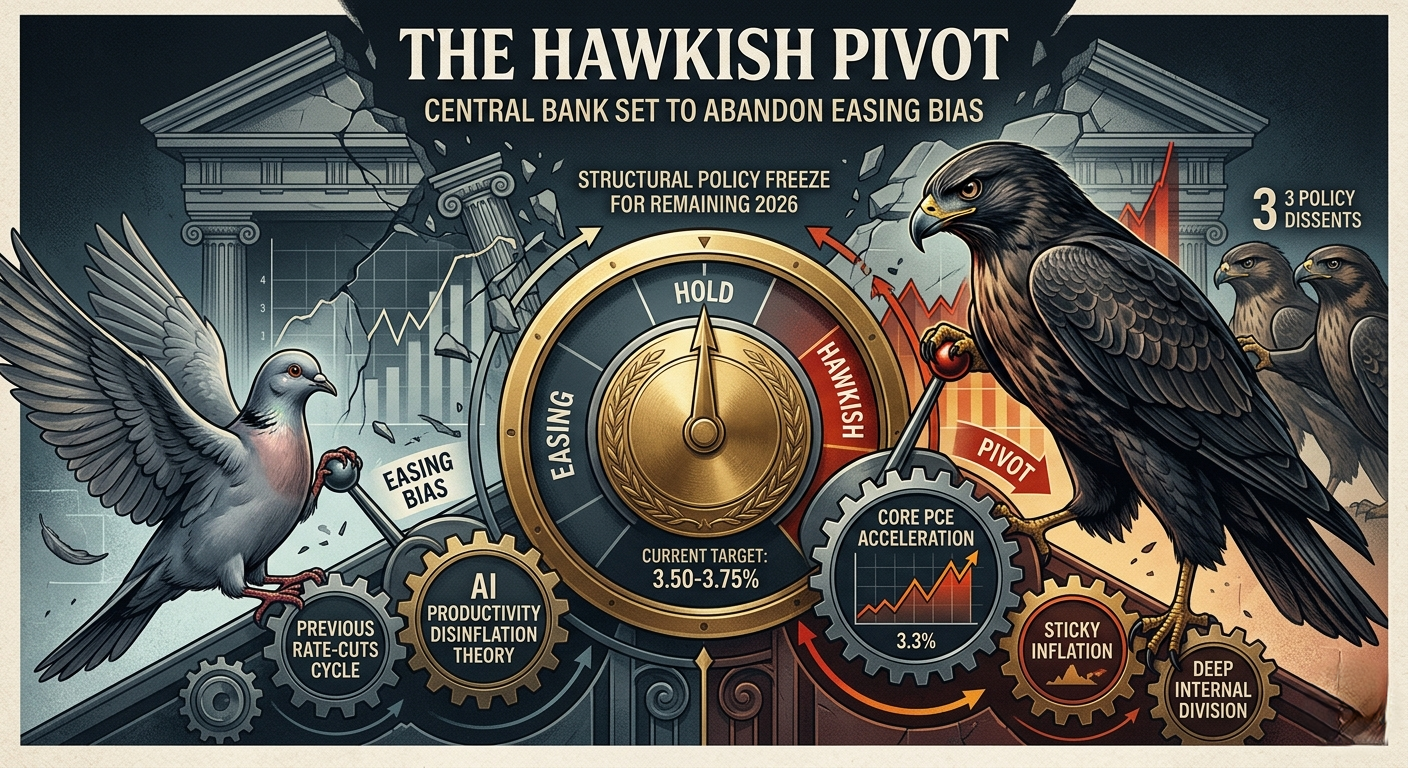
As the Federal Open Market Committee prepares to freeze interest rates, persistent Core PCE metrics and deep internal division under incoming Chair Kevin Warsh point toward a structural pause for the remainder of 2026.

16 Jun 2026
Global capital markets are experiencing their strongest IPO rebound since 2021, driven by robust corporate buy-backs that insulate equity demand from the impending wave of private mega-listings.
Independent intelligence for CIOs, asset owners, private-bank investment leads, and institutional managers across Asia Pacific.
Managed by InvestIQ Asia Research. Primary-source analysis of capital deployment and portfolio decisions.