The corporate architecture governing institutional asset placement within Southeast Asian insurance and retirement boundaries has entered a period of intense structural realignment. Underpinning this momentum is a major policy directive from Bank Negara Malaysia, which has formally activated its strict Climate Risk Management and Scenario Analysis reporting parameters. This regulatory intervention forces institutional asset owners, led by major domestic underwriting houses and specialized insurance operators such as Prudential BSN Takaful Berhad, to execute rigorous look-through stress tests on their liquid reserves. The regulatory mandate introduces strict financial penalties for holding concentrated corporate debt allocations that fail to match the sovereign country's long-term sustainability benchmarks, effectively forcing a structural shift in how multi-billion-ringgit premium portfolios are deployed.
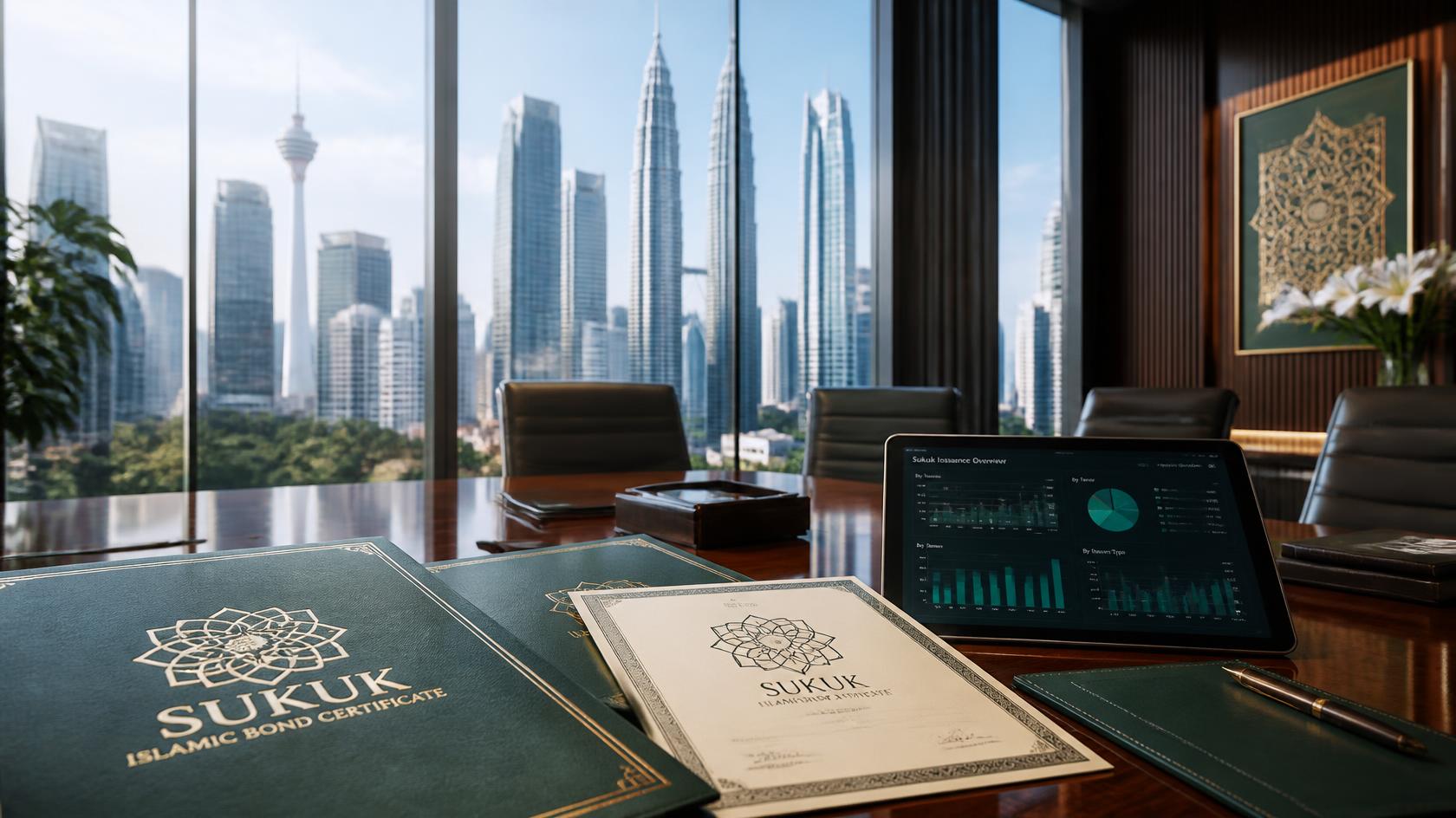
Concurrently, the domestic capital market is responding to this regulatory shift through an accelerated rollout of ringgit-denominated green Sukuk and specialized infrastructure bonds. These Islamic financial instruments are explicitly structured to fund large-scale public-private partnerships, including regional rail links, clean energy grids, and water treatment infrastructure across the Malaysian peninsula. For fixed-income gatekeepers managing asset-liability matching pipelines at Prudential, these ring-fenced sovereign structures provide an exceptional duration-matching vehicle. By channelling long-term premium liquidity toward these government-backed infrastructure tranches, corporate investors can secure attractive all-in yields while capturing mandatory capital relief points under current risk-based capital auditing frameworks.
The strategic migration of insurance reserves away from traditional, highly volatile public equity indices toward these structured fixed-income instruments is reshaping the velocity of institutional capital distribution across the region. This trend is further amplified as major state-backed pension boards, including the Employees Provident Fund (EPF) and Kumpulan Wang Persaraan (KWAP), execute parallel portfolio realignments to support national development goals. The convergence of massive private insurance pools with state pension capital proves that the monetization of premium income within emerging Asian trade corridors is becoming tightly bound to national industrial strategies, forcing asset managers to abandon legacy benchmark-tracking models in favor of highly customized, sovereign-aligned allocation frameworks.