The long-term allocation engine powering the New Zealand Super Fund is undergoing a major structural re-engineering. Faced with a global market environment defined by elevated public equity valuations and compressed forward yields, the ninety-three billion dollar sovereign investor is actively trimming its exposure to global listed securities. This rotational strategy aims to exploit the fund's competitive advantages as an intergenerational investor with minimal immediate liquidity requirements, deploying capital instead into complex, unlisted real assets.
The fiscal reality underpinning this shift was formally highlighted by the Treasury, noting that the Guardians have adjusted their long-term expected return assumptions downward from seven point eight percent to seven point lower. This adjustment reflects a disciplined acknowledgment that public equity markets are trading at historically stretched levels, which is likely to depress relative performance over the coming cycle. Rather than accepting passive public market beta, the fund is leveraging its long investment horizon to capture structural premiums in illiquid, uncorrelated asset classes.
To execute this large-scale deployment safely, the fund has restructured its internal investment leadership team. This realignment brings the direct private equity, real assets, and external manager mandate divisions under a unified operational umbrella managed by joint Chief Investment Officers Brad Dunstan and Will Goodwin. By centralising oversight, the fund is improving its ability to source, underwrite, and manage large-scale infrastructure projects that provide resilient cash flows to offset ageing population liabilities.
The New Zealand Super Fund recalibrates its long-term investment pipeline, expanding its direct private equity and unlisted alternative management structures. Sovereign data architecture receives immediate capital injection through the fund's forty-five percent ownership stake in Datacom, securing advanced regional data centres. Strategic energy joint ventures accelerate following legislative advancements, positioning the Taranaki Offshore Partnership to develop large-scale domestic wind arrays. Internal leadership changes consolidate direct investment oversight under joint Chief Investment Officers Brad Dunstan and Will Goodwin. Lowered long-term return assumptions from seven point eight percent to seven point two percent reflect historically high global equity valuations.
The primary beneficiary of this localised alternative strategy is the region's rapidly expanding digital infrastructure sector. As corporate and governmental demand for sovereign data security, cloud processing, and artificial intelligence capabilities accelerates across Australasia, the fund is expanding its technology holdings through strategic corporate platforms.
A key operational development in this space is the expansion executed by Datacom, the region's largest home-grown technology provider, which is forty-five percent owned by the sovereign wealth fund. The technology company has completed the acquisition of the T4 high-specification data centre facility in Auckland, representing its second major digital infrastructure asset in the city. This transaction expands the group's total footprint to five sovereign data centres across New Zealand, embedding the fund's capital directly into the physical bottlenecks of the digital economy.
This infrastructural integration reflects an institutional preference for assets with high barriers to entry and strong pricing power. By funding the physical real estate and hardware frameworks that underpin modern enterprise computing, the superannuation fund isolates its capital from the volatility of software-centric public tech stocks while securing long-term, inflation-linked utility returns.
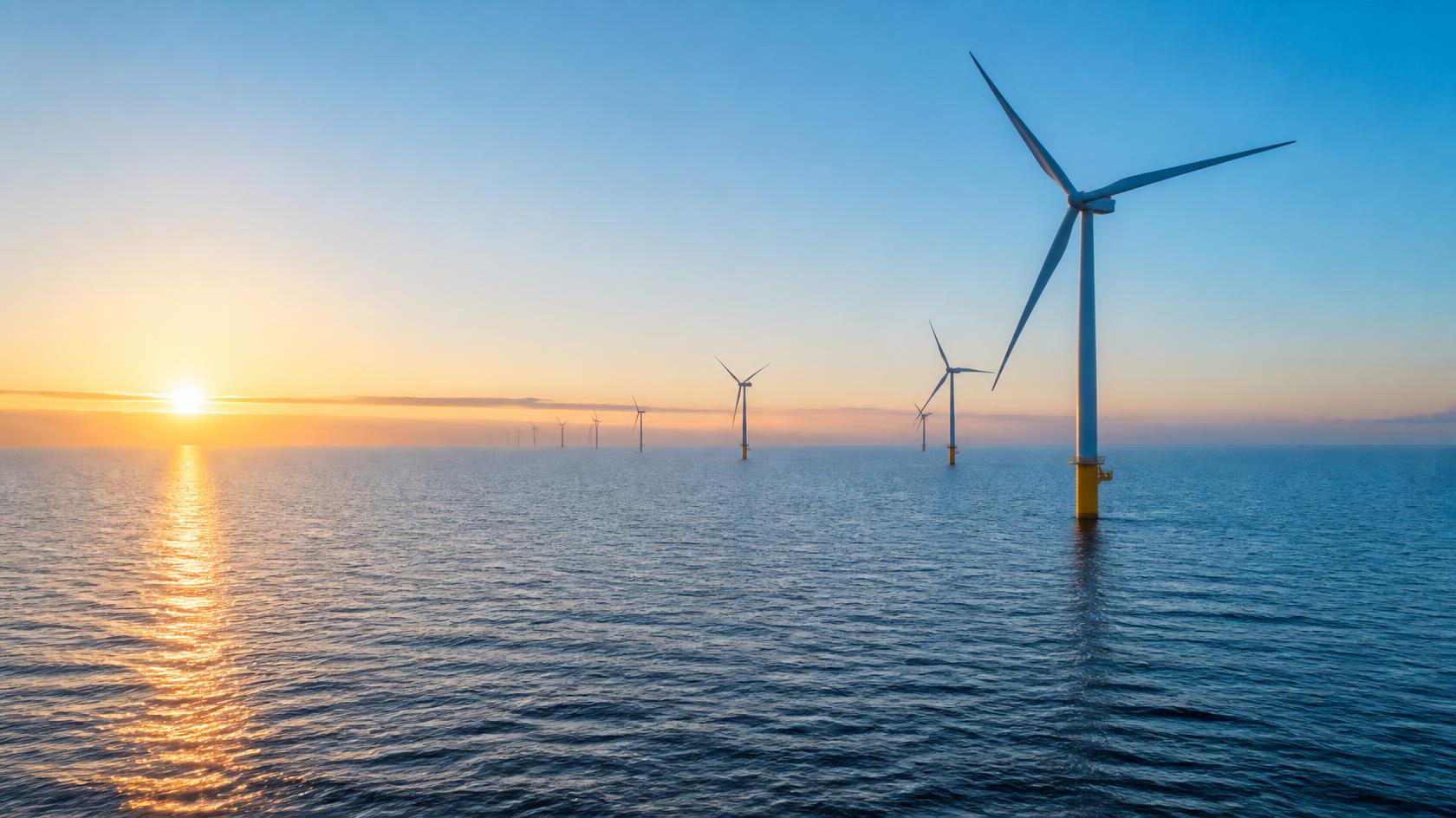
Concurrently, the fund is directing substantial liquidity into large-scale domestic decarbonisation infrastructure, matching its portfolio completion mandates with the nation's evolving legislative landscape. Following the formal passage of the Offshore Renewable Energy Bill, the Taranaki Offshore Partnership, a prominent joint venture between the superannuation fund and Copenhagen Infrastructure Partners, is accelerating preliminary engineering plans for the country's first utility-scale offshore wind farm.
This clean energy installation is designed to generate a significant portion of the nation's baseline electricity requirements, providing the fund with a resilient real asset anchor that remains uncorrelated with global capital flows. The domestic infrastructure push allows the fund to apply the specialised project management expertise it accumulated through offshore renewable holdings like Longroad Energy in the United States and Galileo in Europe directly to its home market.
Complementing these energy developments, the fund is advancing its unlisted real estate exposures through specialised corporate vehicles. The Beachlands South Limited Partnership, where the sovereign fund operates as the majority shareholder alongside local iwi partners and specialised property groups, has officially transitioned to an internalised management model to execute a three hundred and seven hectare master-planned community in East Auckland. This tactical transition underscores an overarching institutional shift away from blind-pool fund commitments toward direct, operationally controlled infrastructure placements.